
Your brand in the tour
The tour is officially positioned as a retreat led by a teacher from your studio. We handle the logistics; you focus on the practice and communication with the group.

For established groups
We organize yoga tours around Kamchatka with a soulful atmosphere and a distinctive local flavor. Our programs are suitable for people with different levels of experience, who want to lead a healthy lifestyle and engage in self-improvement.

What level of difficulty awaits you?
Our program perfectly combines active excursions and discoveries with your passion for yoga and taking care of your health. Whether you have just taken your first steps on this path or have been practicing for a long time, we will be able to find common points of growth and shared interests.
You can travel together with friends, deepen your practice, and gain a new memorable experience.


Indian traditions or Chinese philosophy
We offer different approaches to practice — you can choose the one that is closest to your spirit. Hatha yoga, Ashtanga, and Qigong yoga are different styles, each with its own characteristics and approaches to working with the body and energy.
A system of practices in which we use daily physical exercises. Great attention is paid to asanas. Asanas are static and dynamic poses performed in a specific sequence. By combining them with breathing practice, we can influence our physical condition and psychological resilience. Thanks to a disciplined approach, a person can activate mental activity, improve memory, and develop willpower.
A traditional Chinese practice whose symbol is energy. It uses various physical exercises with smooth transitions between them. The main goal of Qigong is to achieve harmony within the body and find balance. All thoughts are focused on relaxation and relieving stress. Physical exercises are combined with breathing practices and meditations.
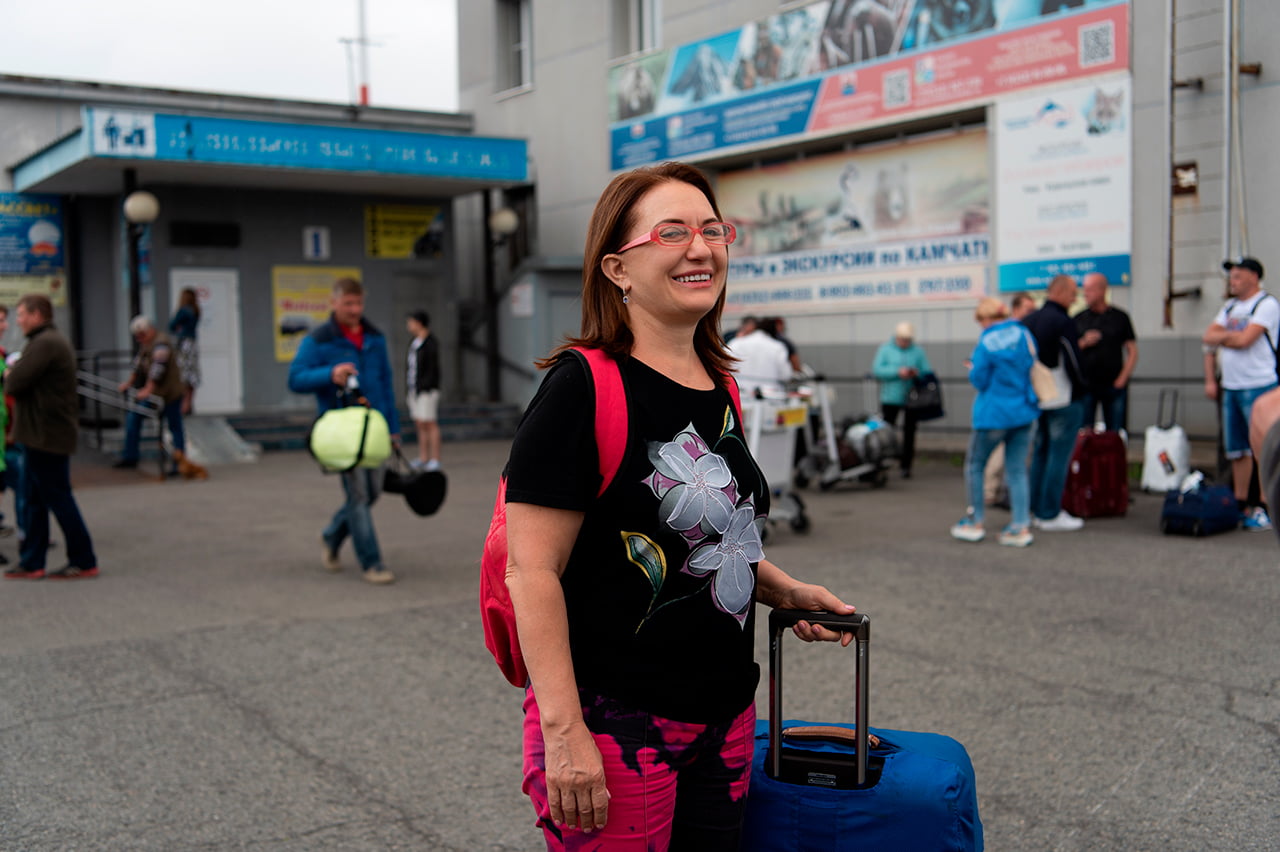
On the first day of the tour, guests will be greeted at the airport with a warm smile and helped to get to the hotel by comfortable transport.
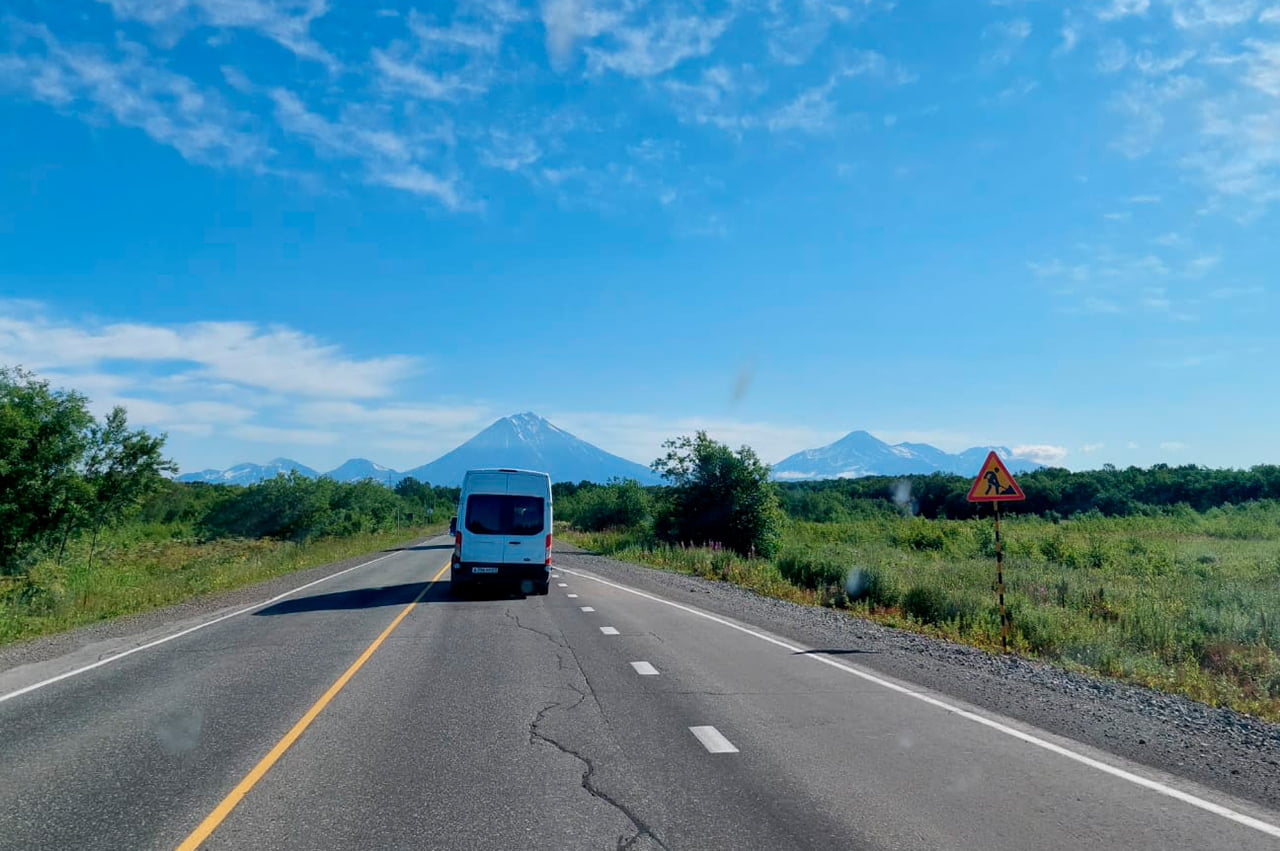
On the way to the accommodation, as they look around, guests will see volcanoes, small hills, and the city in the distance. One skyline will gradually be replaced by another.
Upon arrival at the place of stay, guests will meet their guide and get acquainted. The tour leader will explain the program for the coming days, the route, and safety rules.
In the evening, you will have your first practice: gentle, simple physical exercises aimed at relaxation after a long flight.
After dinner there will be free time. Guests can walk around the hotel grounds.
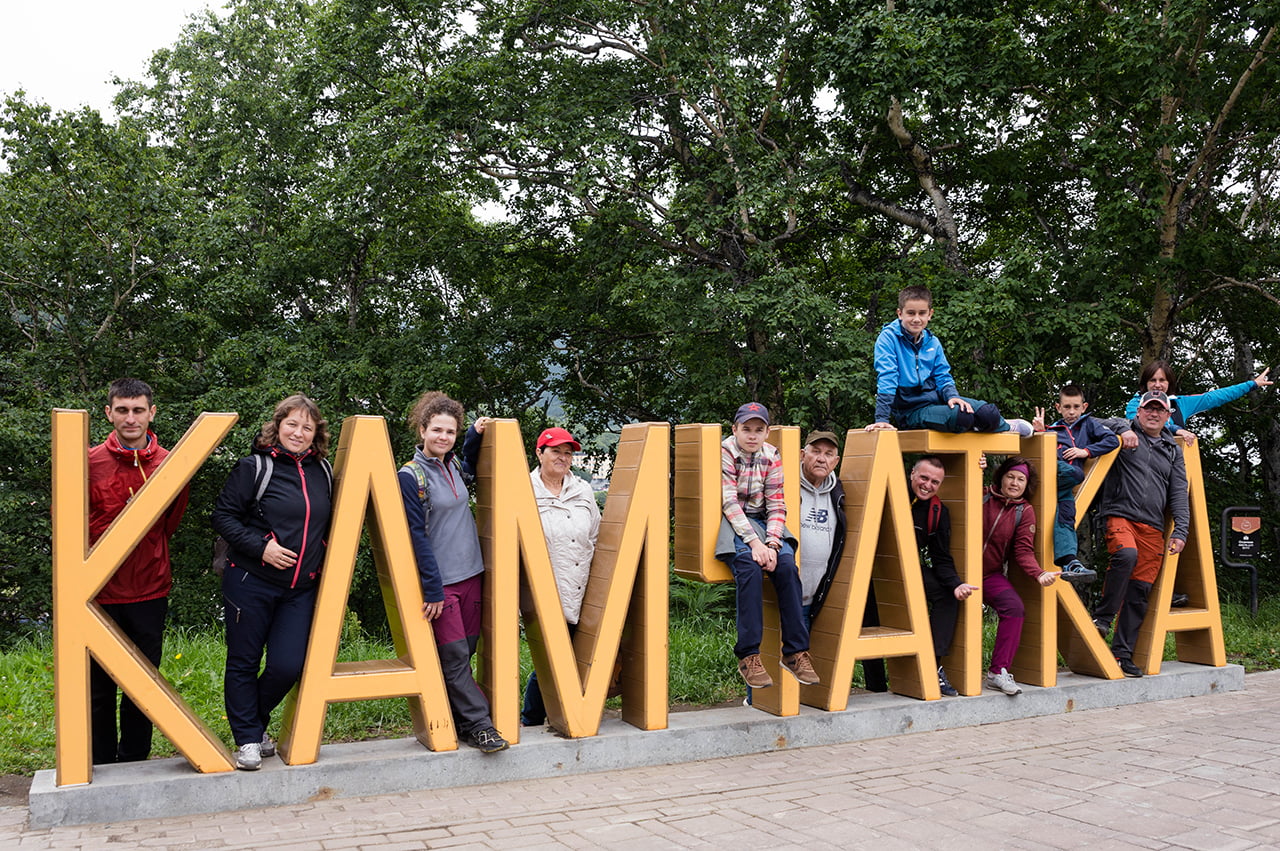
In the morning, our group will start with a light practice, followed by a small snack. We will tune in for an active day and prepare the body before the trip to the volcanoes.
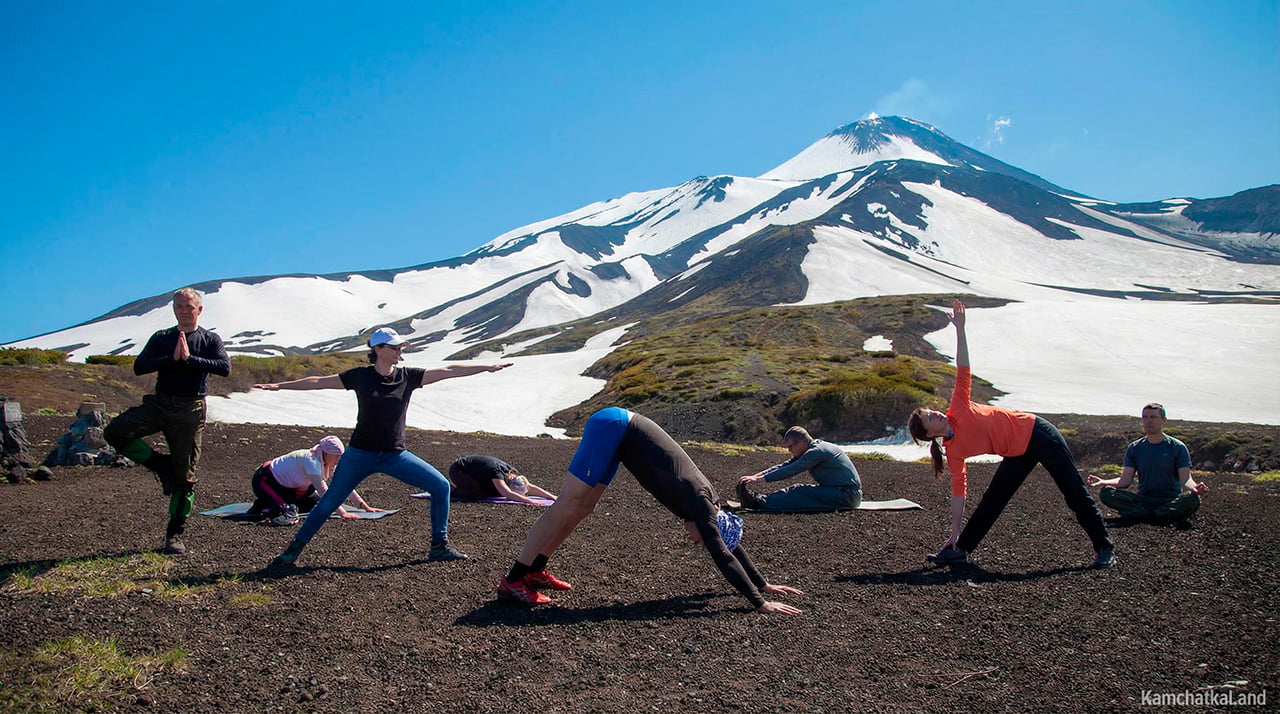
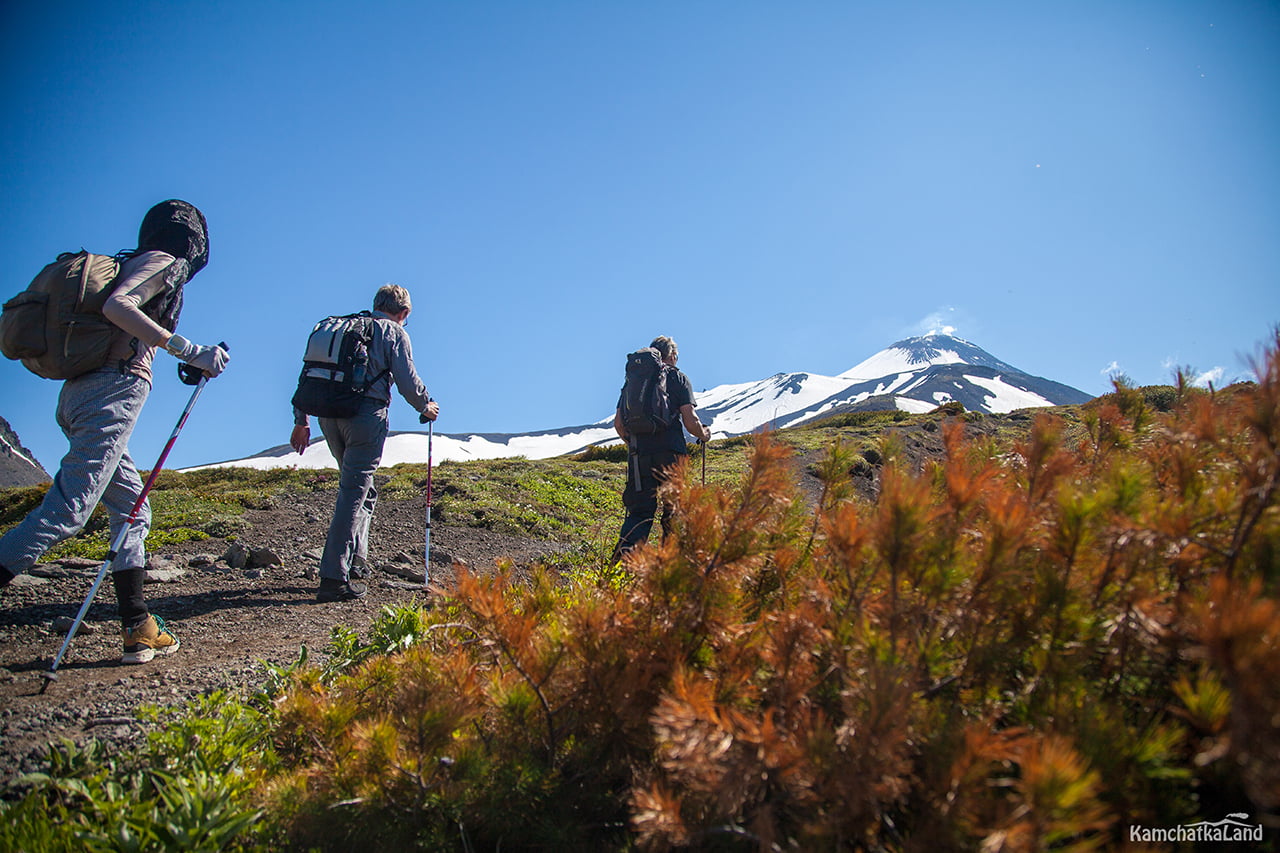
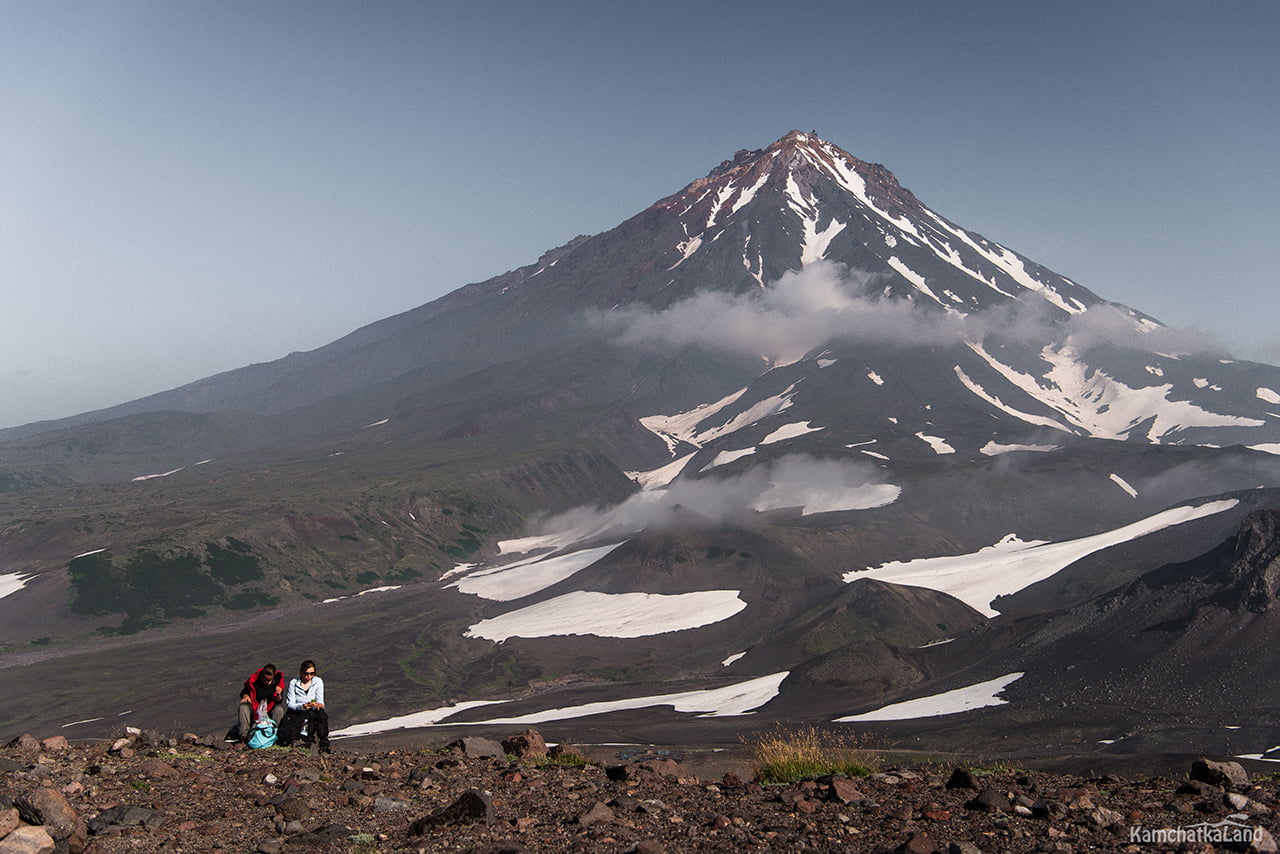
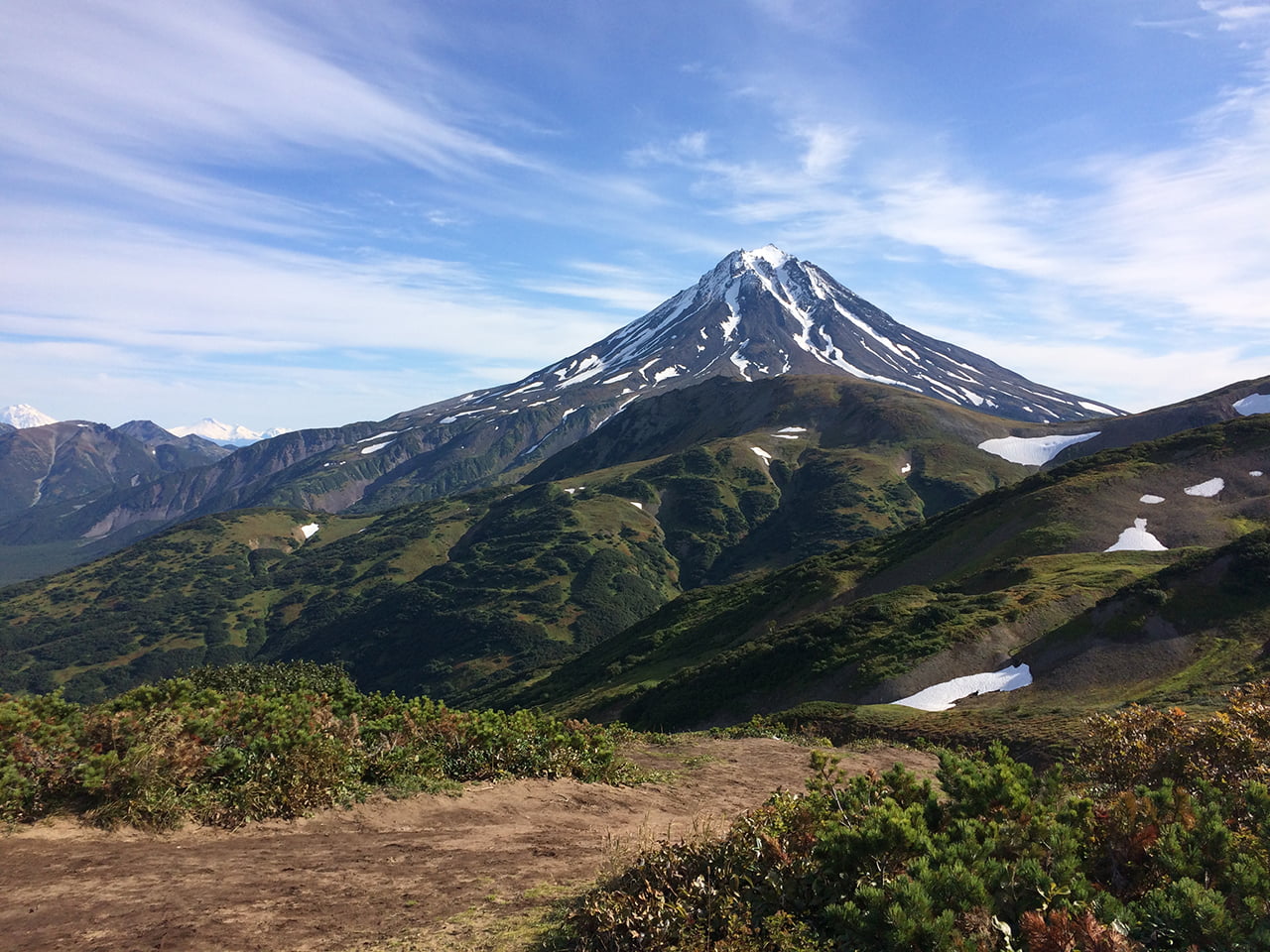
After gathering the group, we head to Avacha Pass. Upon arrival, we can do some breathing practices. After a safety briefing, we set off towards Mount Camel. The elevation gain to overcome is about 400 m. As we ascend, the landscape will reveal new perspectives — views of Avacha and Koryaksky volcanoes.
The ascent will be easy but active. Along the way, we can make stops for short yoga practices focused on stability and balance right on the slopes, to feel the connection with the earth and the surrounding space.
At the top of Mount Camel, we will have a snack with sandwiches, dried fruits, and hot tea. Here we can also hold a meditation with views of the volcanoes. In clear weather, a panorama of the nearby volcanoes opens up. A few minutes of silence and contemplation will help you experience the moment more deeply and tune into inner harmony.
After the descent, we all go to the dining hall right at the pass — a equipped indoor space where a hot lunch will be waiting for us after the walk.
After lunch, we return to the hotel. In the evening, there is time for a relaxing stretching and recovery practice, if needed. Over dinner, we will share our impressions.
In the morning — a calm practice: a few simple sequences, gentle stretching for the back and legs, and some breathing exercises to wake up and “switch on” the body after sleep. Breakfast doesn’t take long: it’s a full day ahead, and the group departs towards Tolmachevo Lake.
The road takes several hours. Outside the window, the scenery changes: forests, hills, Kamchatka’s open spaces, and occasional villages.
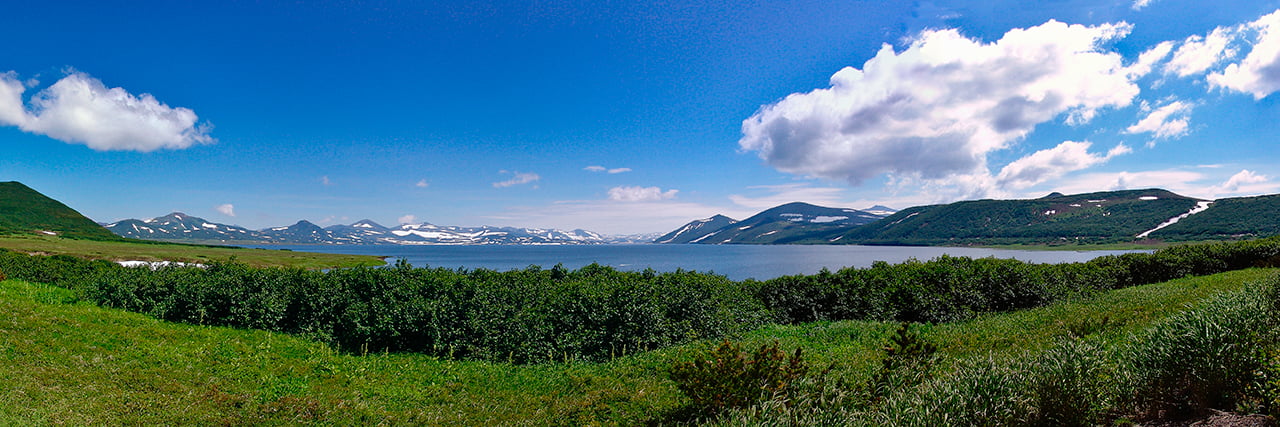
We make a long stop at the lake. There is no wish to hurry here: the water is like a mirror, with mountains and sky reflected on its surface, the air is cool and clean. There is time to simply walk along the shore, sit by the water, and take a few photos. If the group wishes, the instructor leads a short practice right by the lake: a few asanas to stretch after the drive and a couple of minutes of calm breathing.
The snack is simple and tasty; in the fresh air everything seems twice as appetizing.
After that, the group heads to the Apachinsky hot springs. The contrast is felt immediately: after the coolness of the lake, there is warm steam and the smell of minerals. There is no rush here: you can soak in the hot water and let your muscles rest after the first active days of the tour.
If you wish, the instructor will offer a few simple exercises for mindful breathing and relaxation to help the body release tension more easily.
By evening, the group returns to the hotel. After the road and hot springs, the mood is usually very calm, a bit drowsy. The evening practice is light and gentle: smooth, stretching movements, soft breathing work, and a short savasana.
At dinner, conversations flow unhurriedly: some share impressions of the lake, others — of the hot water, and someone notes that in just three days the mind has become much “quieter,” while the body feels more alive and responsive.
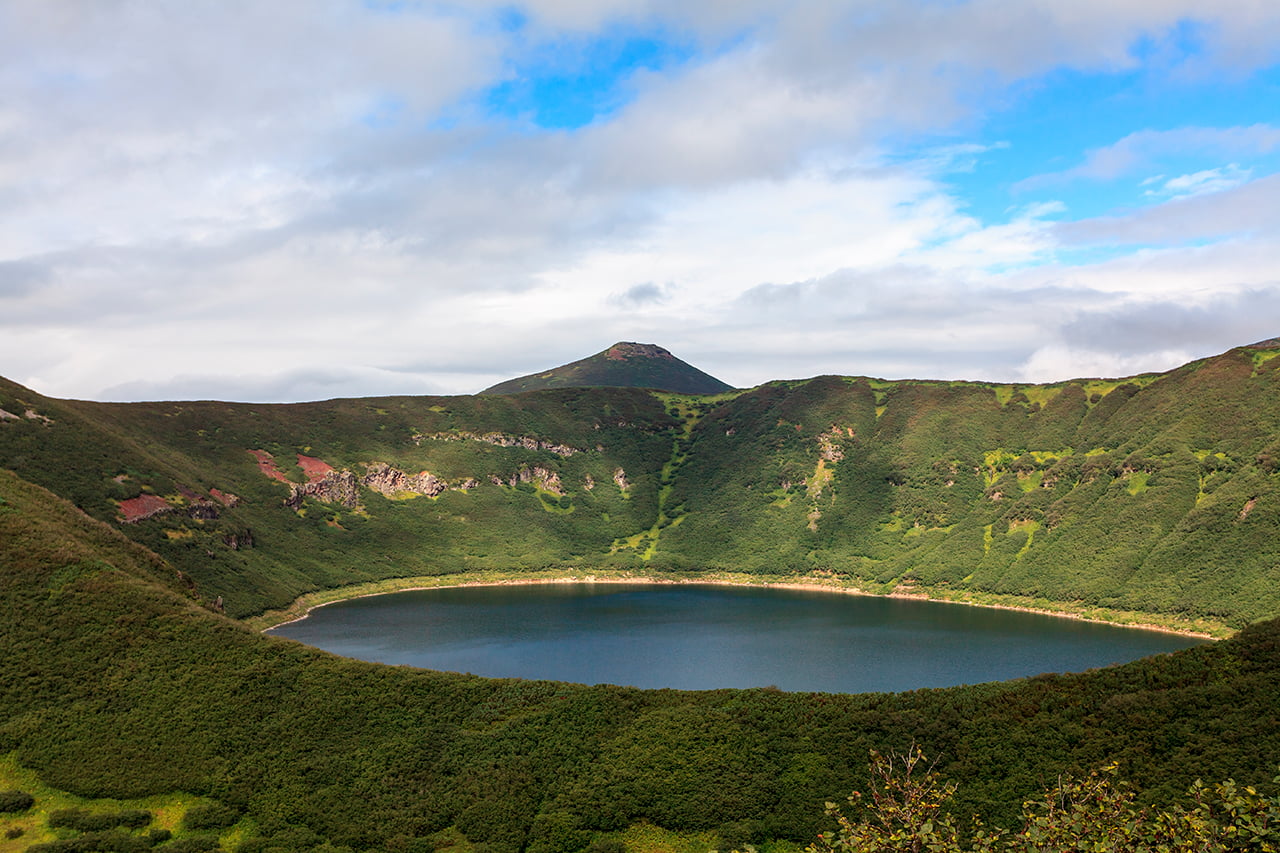
The morning starts a little earlier than usual: today the ocean awaits you. A short warm-up and gentle practice help wake up the body after sleep, warm up the back and shoulders before the drive, and tune in for the day. Breakfast is simple and nourishing, without any rush.
On the way to Khalaktyrsky Beach, the landscape gradually changes. The city stays behind, the spaces become wider, the air turns fresher, and you can feel something salty and alive in it. Right at the beach, you can visit the visitor center: exhibits about the coastal nature, volcanoes, animals, and the ecosystem. This helps you see the place differently: not just as a “beautiful beach,” but as a living, fragile area with its own character and history.
Khalaktyrsky Beach greets you first with sound — the roar of the ocean is heard even before you see it. Then the full picture appears: black volcanic sand, a wide strip of shore, powerful waves, and an endless horizon. It’s easy to forget about everything here: you just stand and look.
The first practice on the beach is a morning session. Mats are laid right on the sand; some people stay without a mat to feel the ground with their feet. The wind can be cool, but movement warms you up quickly. Everything blends very naturally with the surroundings: the sound of the waves becomes the background, and your gaze is naturally drawn to the horizon line.
After the practice, there is time to walk along the shore. Usually, someone collects stones, someone simply sits on the sand and silently looks at the ocean.
Next comes a walk towards the mouth of the Khalaktyrka River and Rhino Rock. The route is not difficult but very engaging: the views change, and new angles of the coastline appear. Along the way, you can stop to take photos or simply listen in silence to the sound of the water and the wind.
During the day, there is a light snack, perhaps with hot tea from a thermos. In good weather, part of the time passes in a completely free rhythm: some people stroll along the shore, others sit at the water’s edge, and someone leans against the rocks near the cliff and rests.
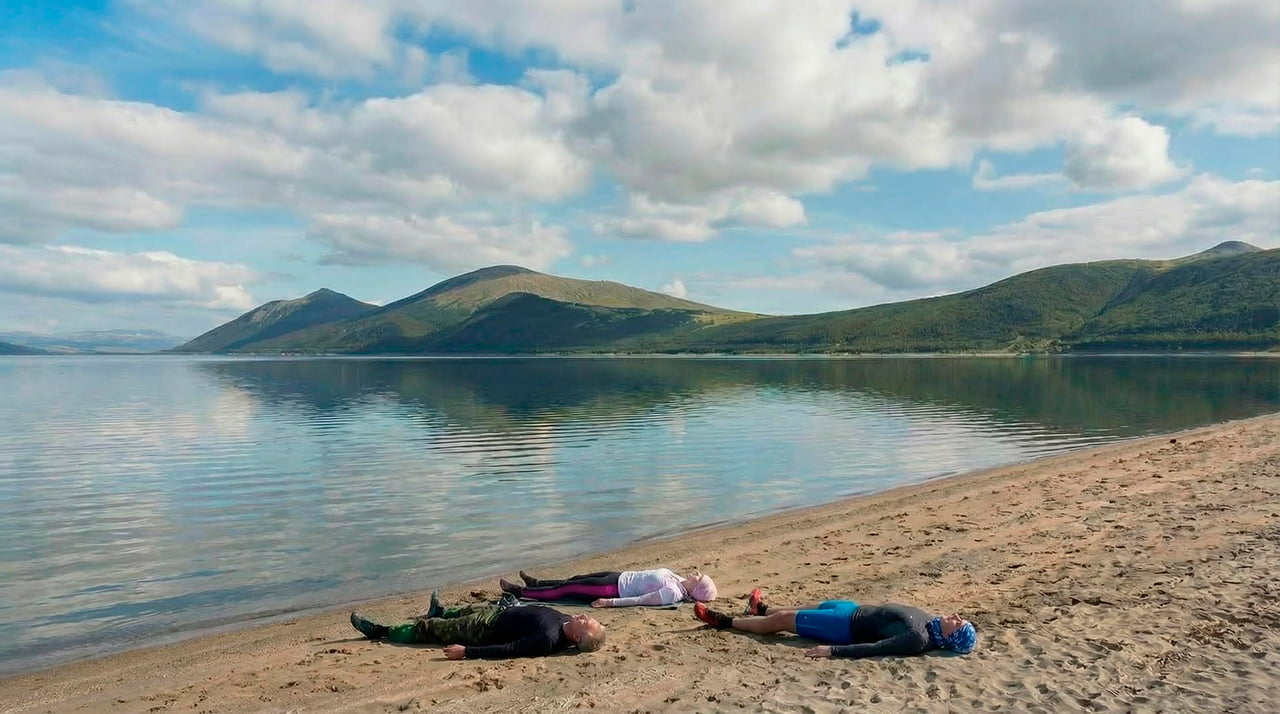
Towards evening, the group returns to the beach for the second practice. The sun is already leaning toward sunset, the light becomes softer, and the shadows grow longer. The evening session is calmer: smooth stretches, breathing work, and more focus on relaxation. At the end, there is a short meditation sitting or lying on the sand: you can close your eyes so that only the sound of the waves, the wind, and the feeling of the ground under your back remain.
In the evening, you return to the hotel immersed in a different kind of quiet — not from fatigue, but from the richness of the day. Dinner unfolds unhurriedly as the group rests.
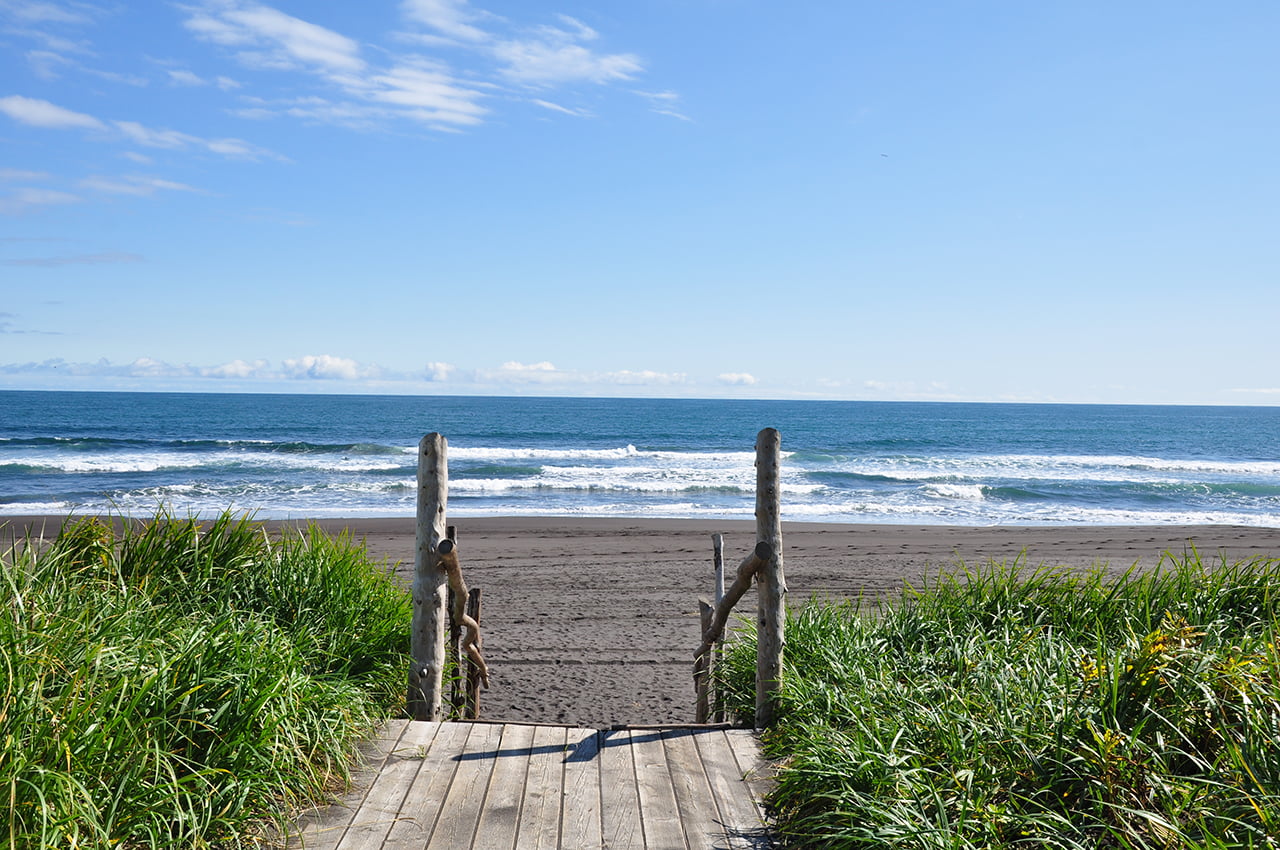
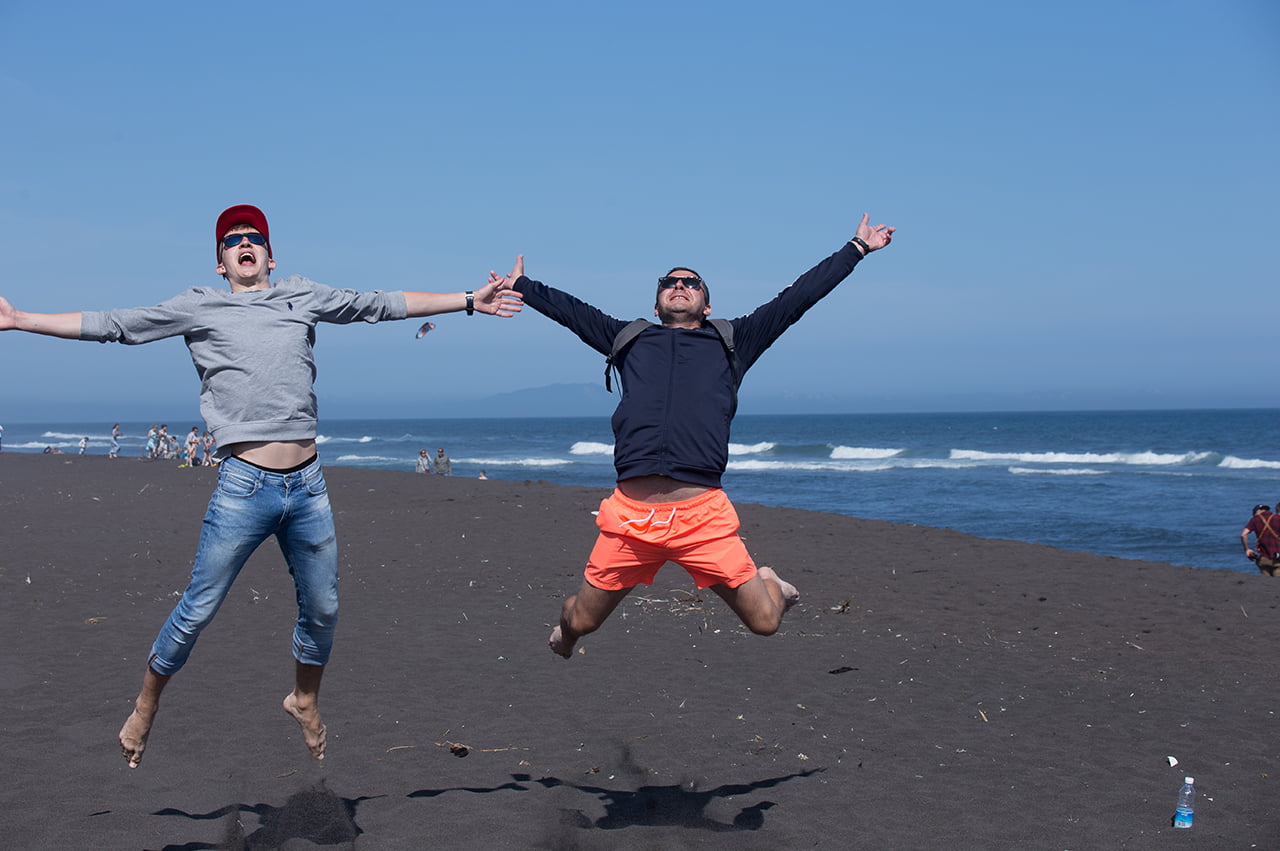
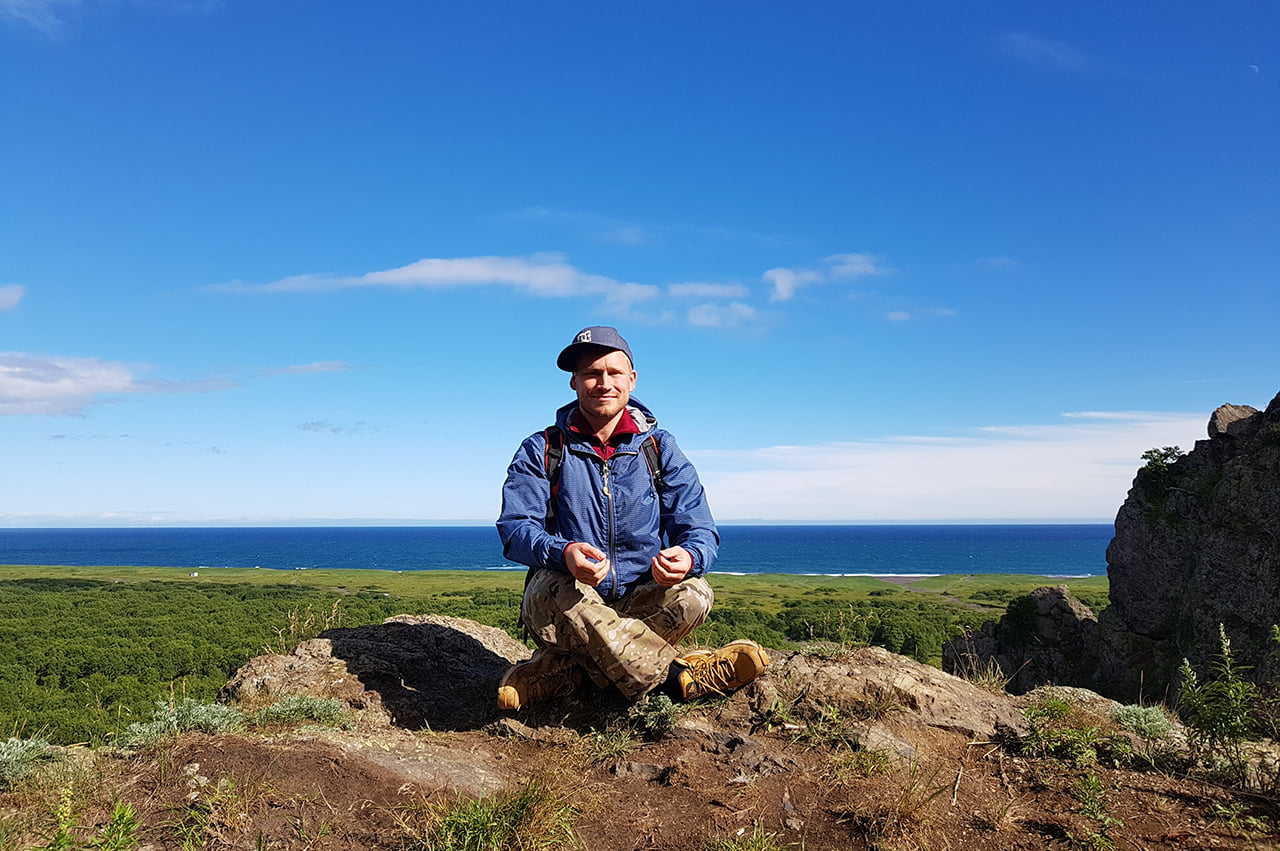
Today’s program doesn’t include swimming or long walks, but the place itself is very special. After breakfast, the group gets into the vehicle and heads towards the Dachnye thermal springs. The road passes by hills and volcanoes.
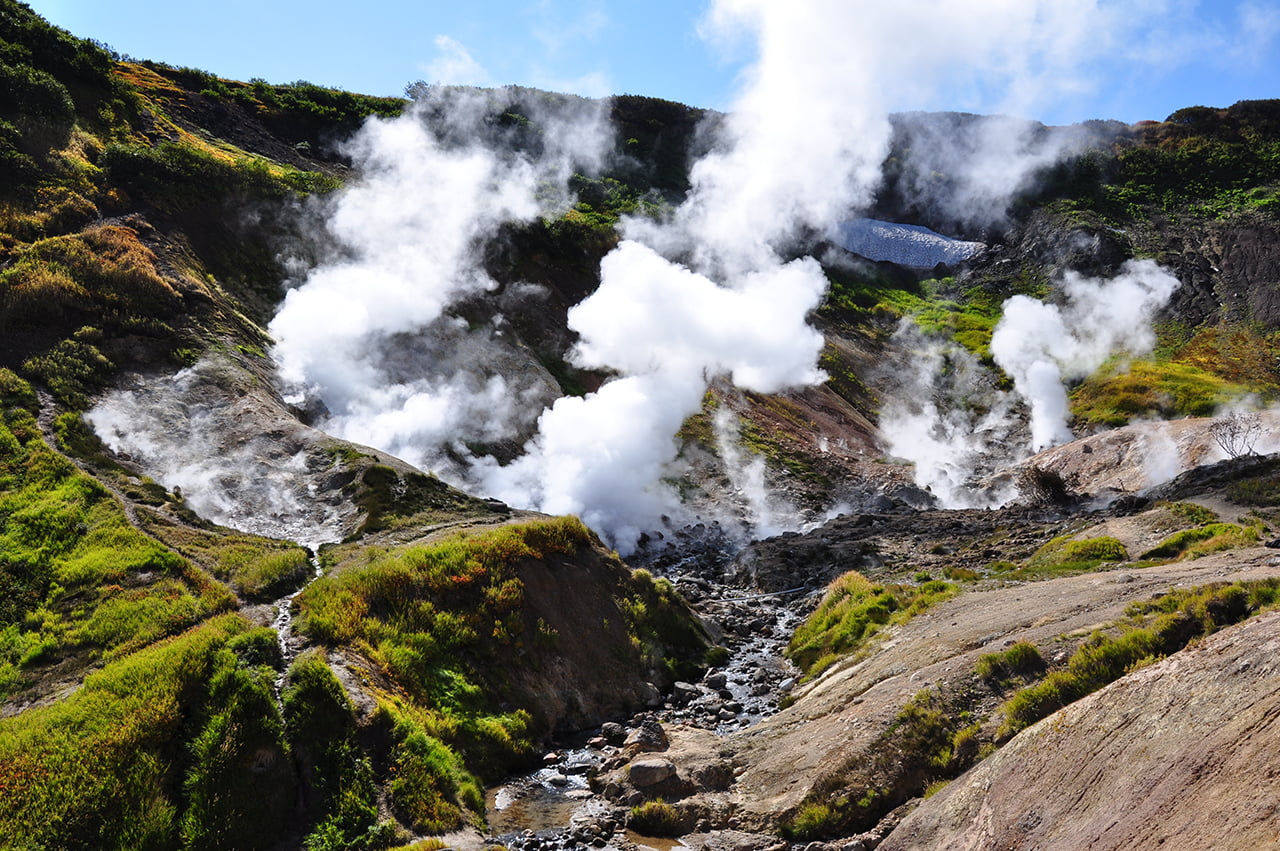
Closer to the destination, the landscape changes: there are fewer trees, more stones and mosses, and completely different shades of earth. At some point, everyone notices a faint smell of sulfur in the air and thin streams of steam ahead. The vehicle stops, and from there the group continues on foot.
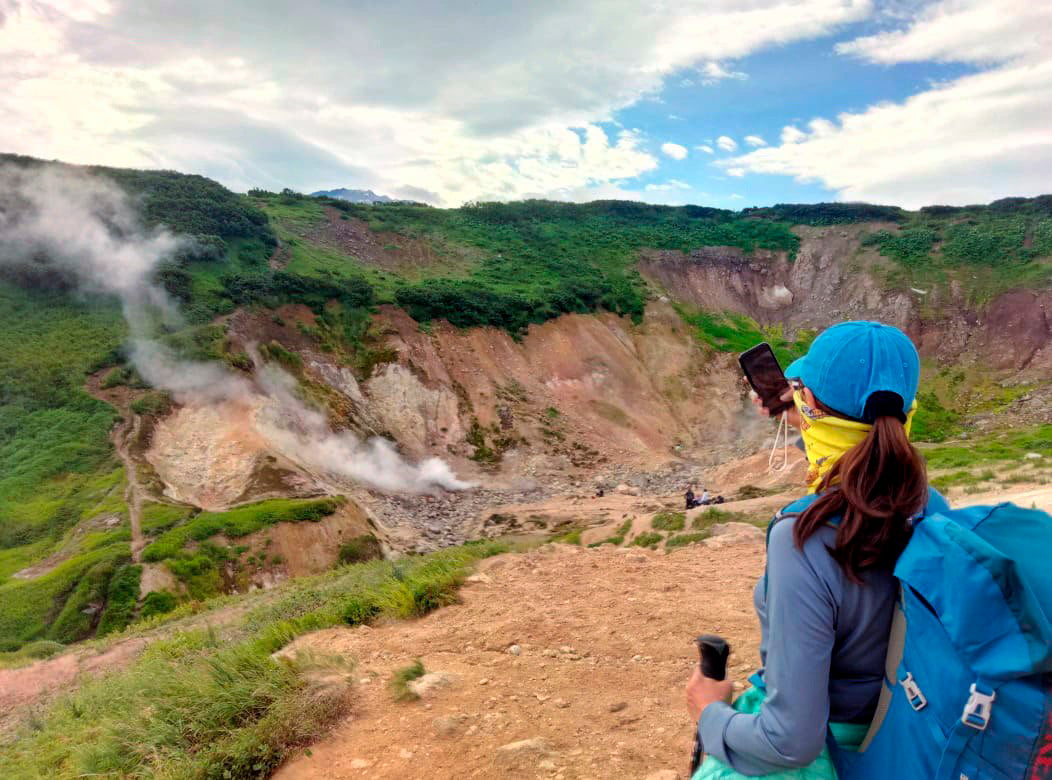
The trail is not difficult but very engaging: sometimes there are wooden planks under your feet, sometimes bare ground. All around are wisps of steam, small “windows” with cloudy water, and colorful patterns on the soil.
From time to time, the guide will stop and explain how such thermal fields work, where the high temperature comes from, why people don’t bathe in these springs, and why it is important to keep your distance and stay on the trail. Everything here is very beautiful, but also fragile and a bit dangerous if you are not attentive.
Along the way, we make a longer stop. From here you have a good view of a particularly active area: steam rises in dense clouds, water hisses in places, and here and there the ground trembles slightly from bubbles reaching the surface. This is free time simply to observe.
The snack is at a safe distance from the active zone. Hot tea from a thermos feels especially fitting with the view of the swirling steam.
You return to the hotel in the late afternoon, closer to evening, with time left to rest.
The evening practice is very calm: fewer movements and more attention turned inward.
In the morning, there is time for a short practice: a few sequences to warm up the back and legs, a bit of balance work, and a few minutes of breathing. The goal is not to tire the body, but to gently wake it up before heading to the mountains. After breakfast, the group gathers by the vehicle, and we check backpacks, water, and warm clothes.
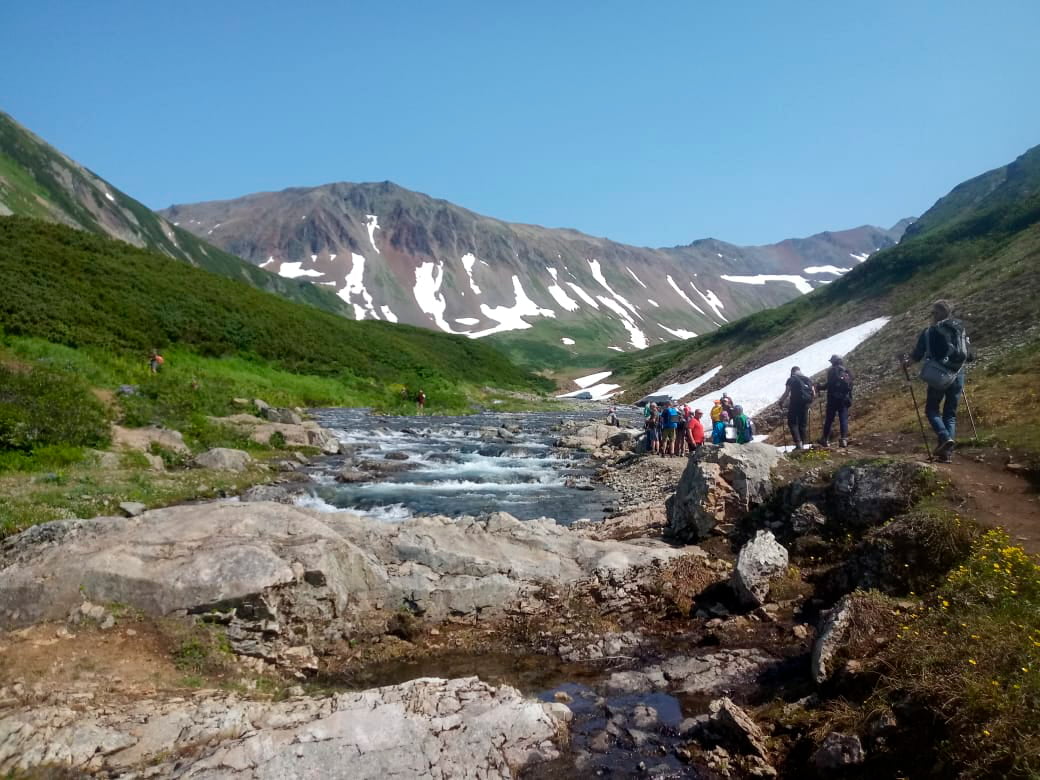
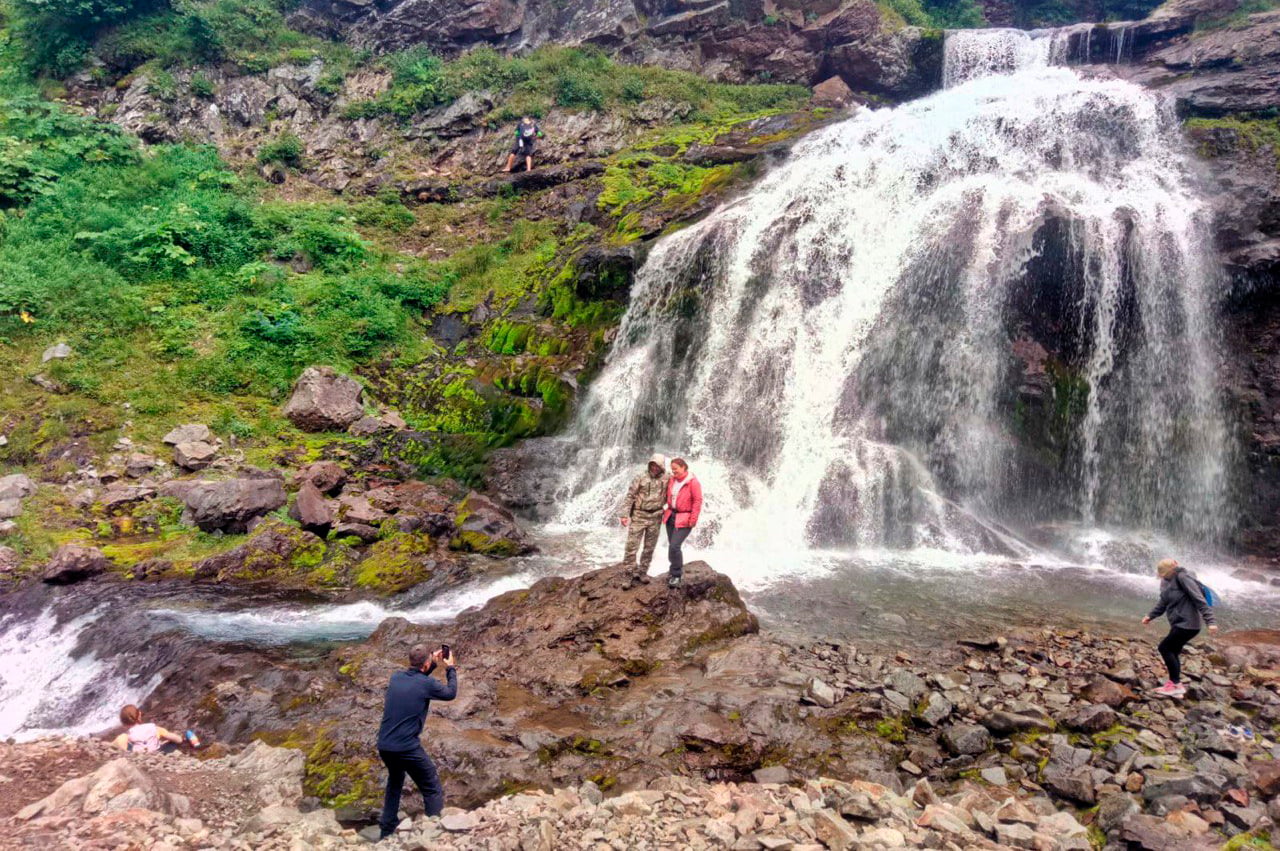
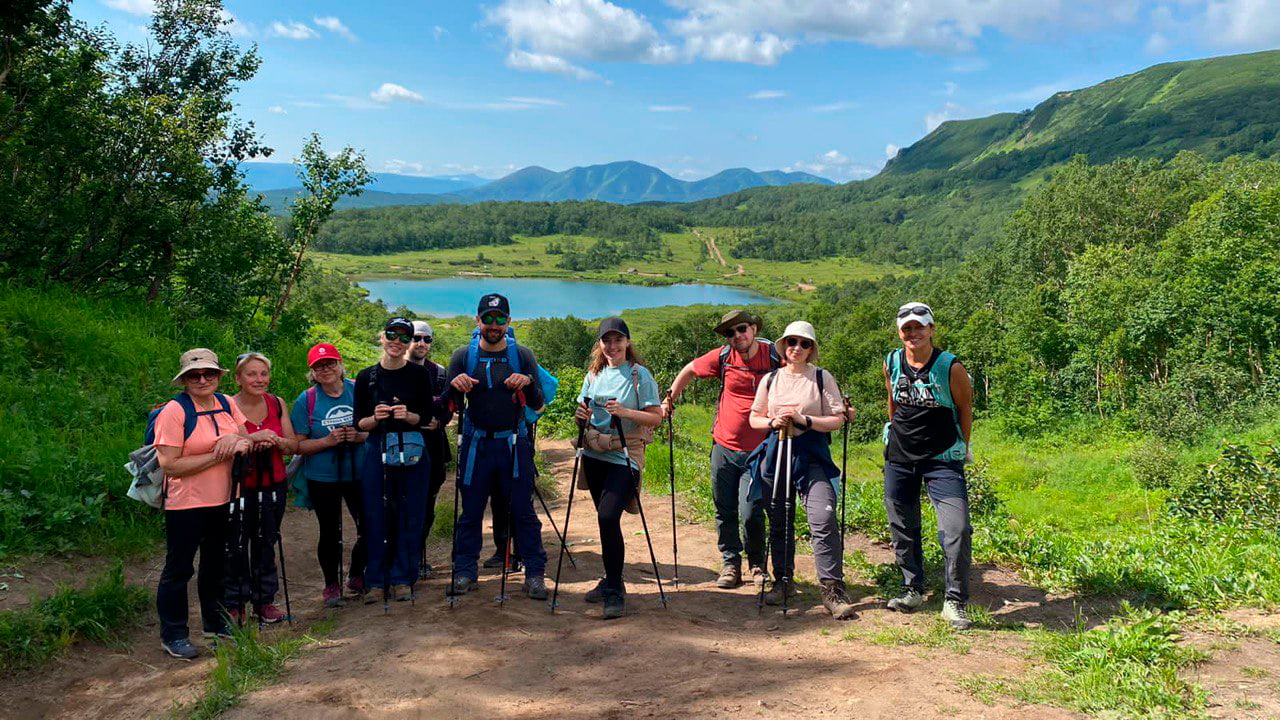
The drive to Vachkazhets takes about 1.5 hours. After the stop, the group sets out on a hike. The trail leads through light forest and shrubs, along streams and small waterfalls. At a certain point, the Vachkazhets amphitheater opens up: slopes, meadows, remaining patches of snow, and Lake Takhkoloch below. We stop with the group by the lake for a snack. No rush — only the feeling of the route and the day.
After some time, we continue towards the main waterfall. We’ll need to cross a mountain stream and make a short ascent. Near the waterfall we pause so everyone can take photos. Then we head towards the mountain cirque. The trail there enhances the sense of scale: slopes and rock walls, seasonal snow patches. Here you can do a short, mat-free practice.
The way back to the vehicle goes more briskly — legs are already used to the trail. At the bottom, we get into the vehicle and drive to Zelenovskie Ozerki, a thermal complex with several different pools.
Before bathing, the guide reminds everyone about time limits and how to monitor their well-being. Each person chooses a pool to their liking: some start with warm water, some go straight to hot, others alternate contrasts. Within minutes, you can see people’s faces change: their gaze softens, shoulders drop, and the body lets go of excess tension. There is also a cold lake on the complex grounds.
By evening, the group returns to the hotel. The evening practice is minimal: stretching for the legs and lower back, a few gentle twists, and a short relaxation.
the duration depends on the excursion
After breakfast, the group heads to the seaport. There is a short safety briefing before boarding the boat.
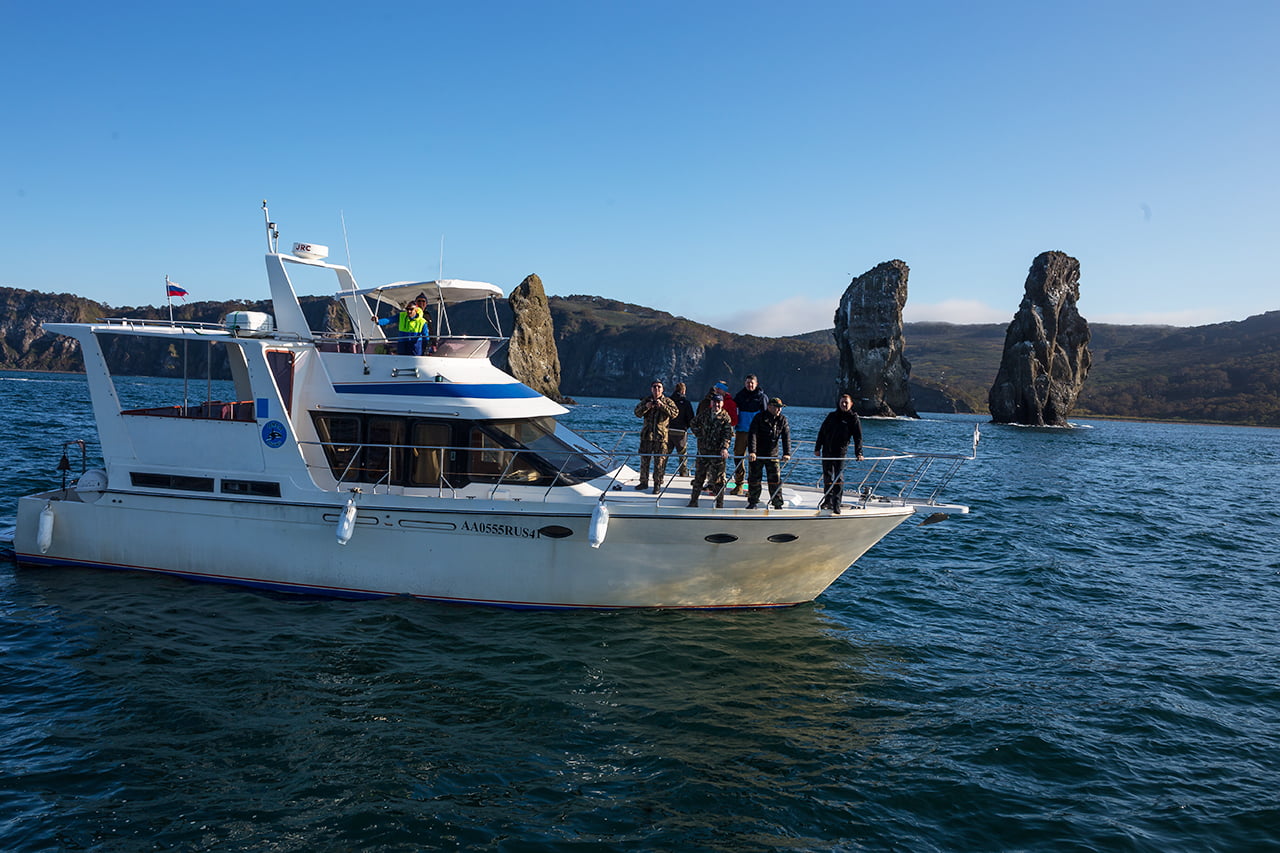
The route runs through Avacha Bay towards the Three Brothers rocks. During this time, you can listen to stories from our captain‑guide about the bay, its history, local fishing, and navigation in general.
The Three Brothers rocks will first be seen from a distance, but the captain will bring the yacht closer so participants can see their shape in detail and take photos.
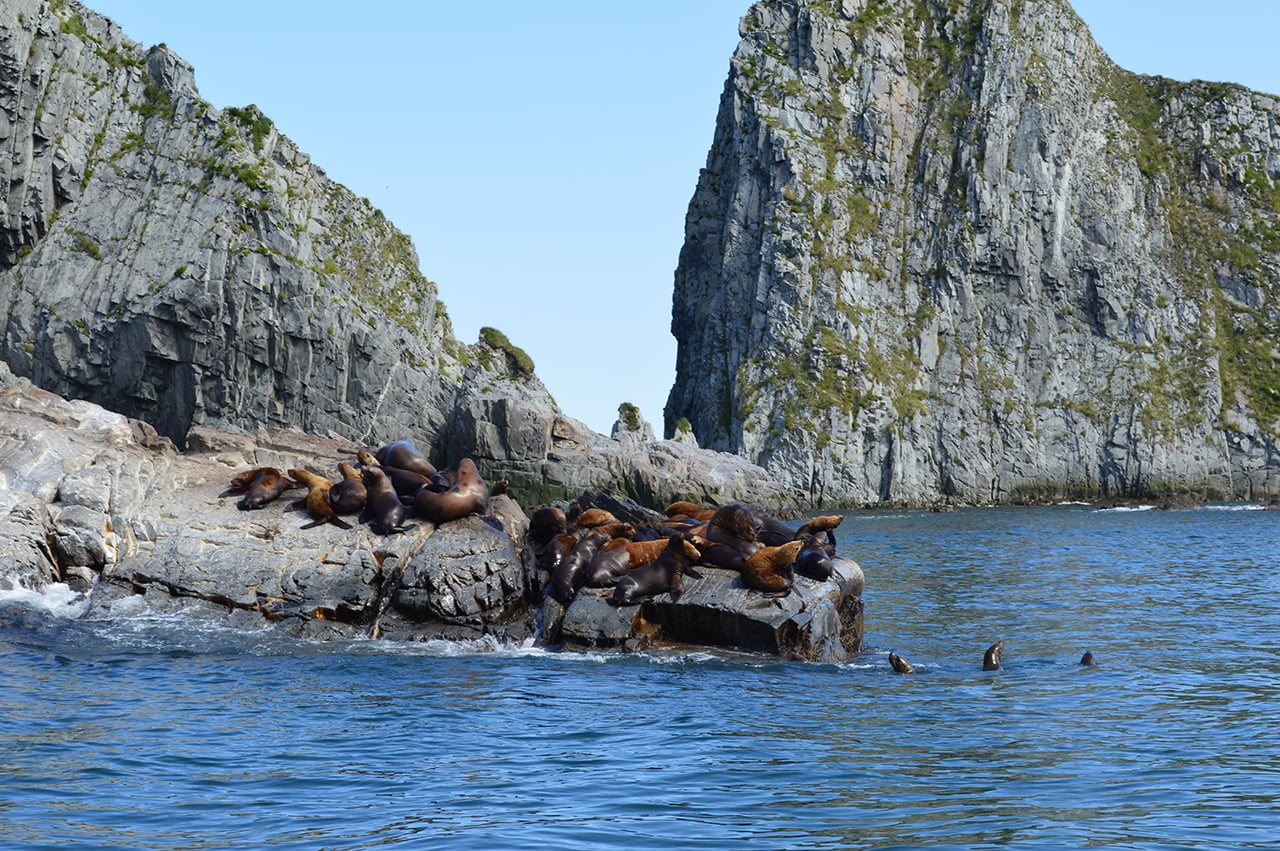
Then the route continues towards Starichkov Island. As we approach, the noise of the bird colonies grows louder. Birds fill the sky and the cliffs, movement is almost constant. The guide will point out different species, explaining how they live and what they feed on. The yacht keeps a respectful distance not to disturb the colonies. Landing on the island is prohibited — it is a protected area. On the way, not far from the island, you may see seals resting on the rocks.
Near Starichkov Island, we stop for sea fishing. The crew will bring out the gear, explain how to hold the rod and what to do when there is a bite. The yacht anchors at a suitable spot and turns off the engines. Everyone who wishes gets tackle and tries lowering the line to the set depth. At first, the movements may feel awkward, and then the first bites begin. The fish is hooked and brought to the side, and the crew helps remove it from the hook. The process usually draws everyone in, and almost all participants end up with a catch. Part of the fish can be cooked by the crew for lunch.
For guests on the extended program, the yacht continues towards Russkaya Bay, which becomes one of the final points of the route. Lunch is served on the way: simple fish dishes, snacks, tea, and coffee.
If you are lucky, orcas may appear on the horizon or closer. Even a brief encounter is remembered for a long time.
The return route follows the same path but is experienced differently. On the way back, guests usually relax, quietly taking in the surrounding scenery.
We return to the port closer to evening. After a full day on the water, solid ground can feel a little unusual at first. At the hotel, the evening practice is kept very gentle: a few stretches, exercises for the feet and lower back, and a short relaxation.
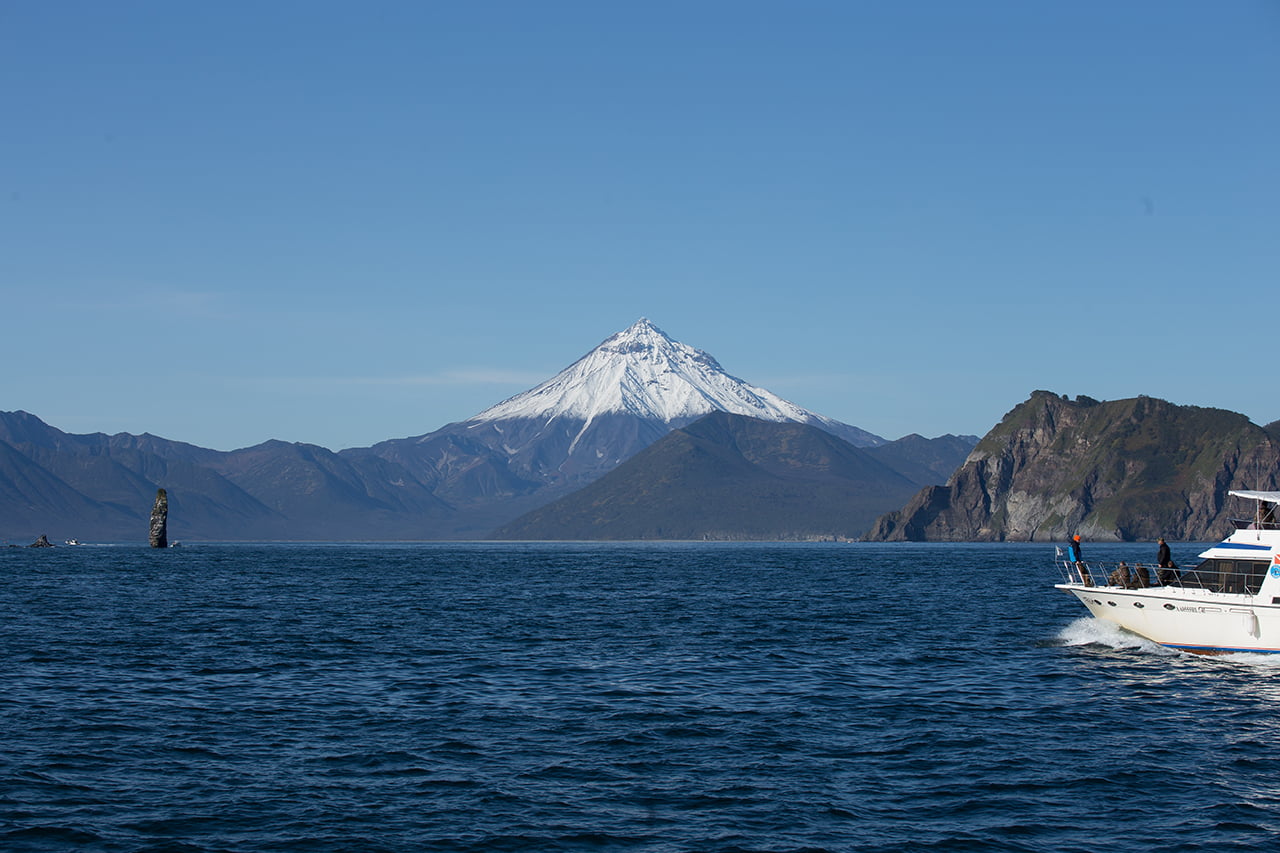
After breakfast, guests have a bit of free time to walk around the grounds and look at the volcanoes.
On the way to the airport, the now‑familiar views appear again, but they feel different — more like a backdrop to the closing of the journey. The guide may remind you that after returning home it’s helpful to give yourself time to adapt, rather than jumping straight back into your old rhythm.
As the plane gains altitude, you may see volcanoes and the coastline from the window. In that moment, it becomes especially clear that Kamchatka has remained behind geographically, but something from these eight days has stayed with you — in your body, in your sensations, and in the way you now want to shape your own rhythm.
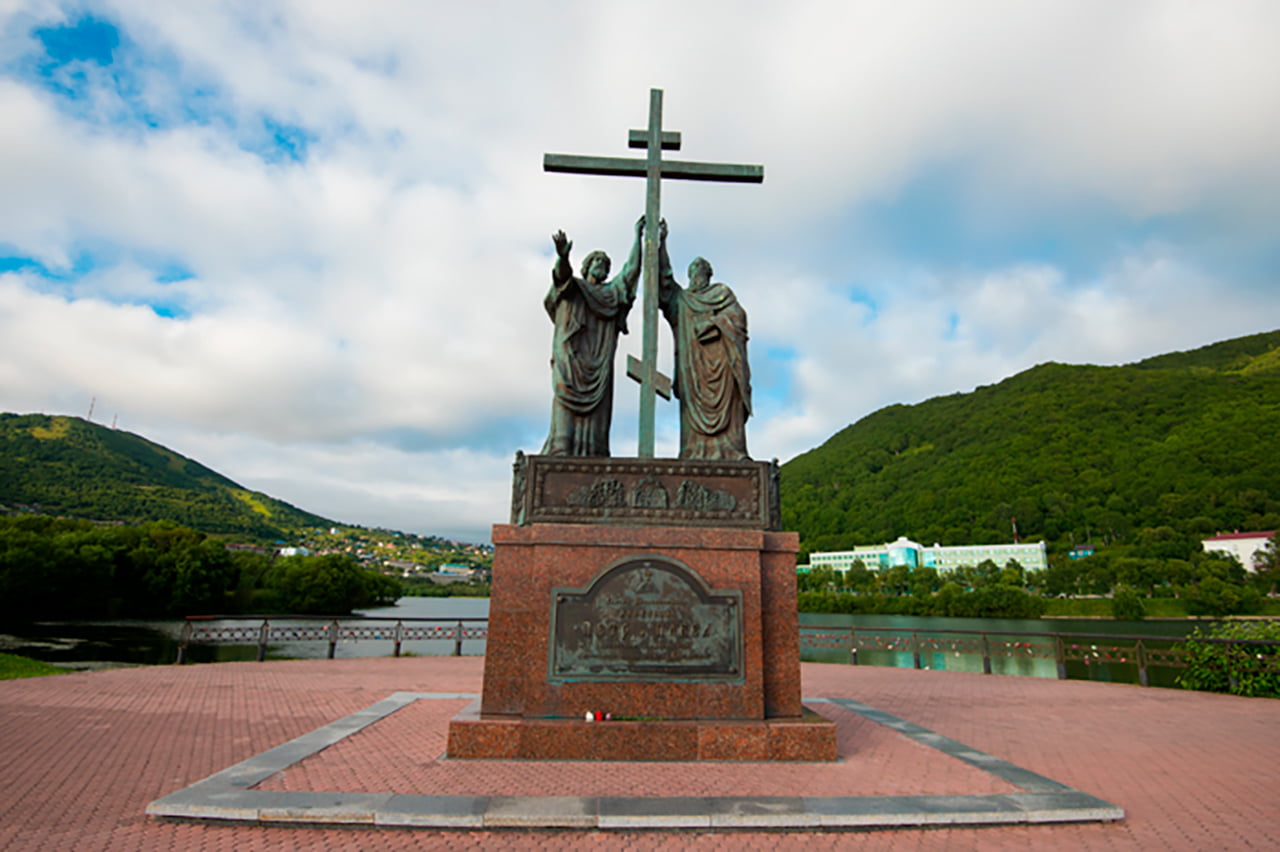
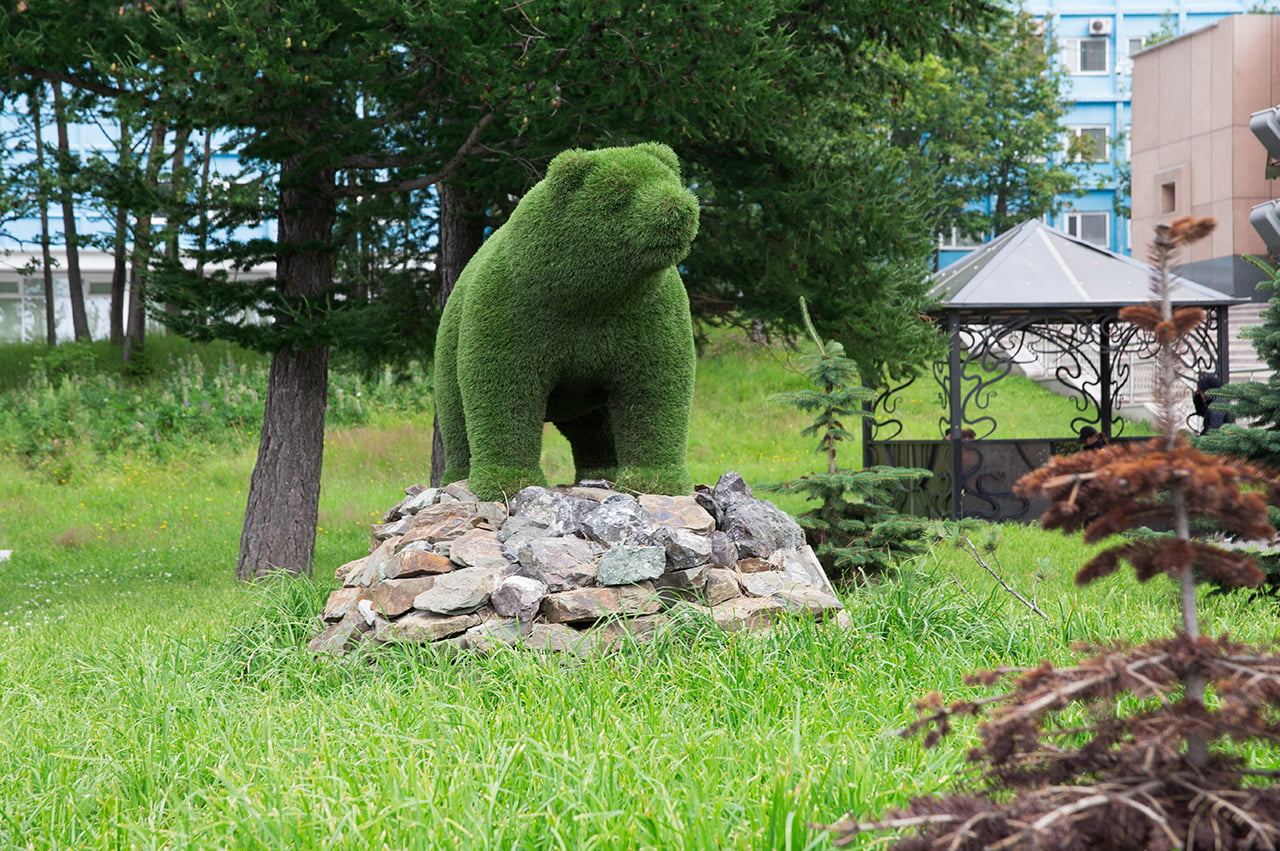
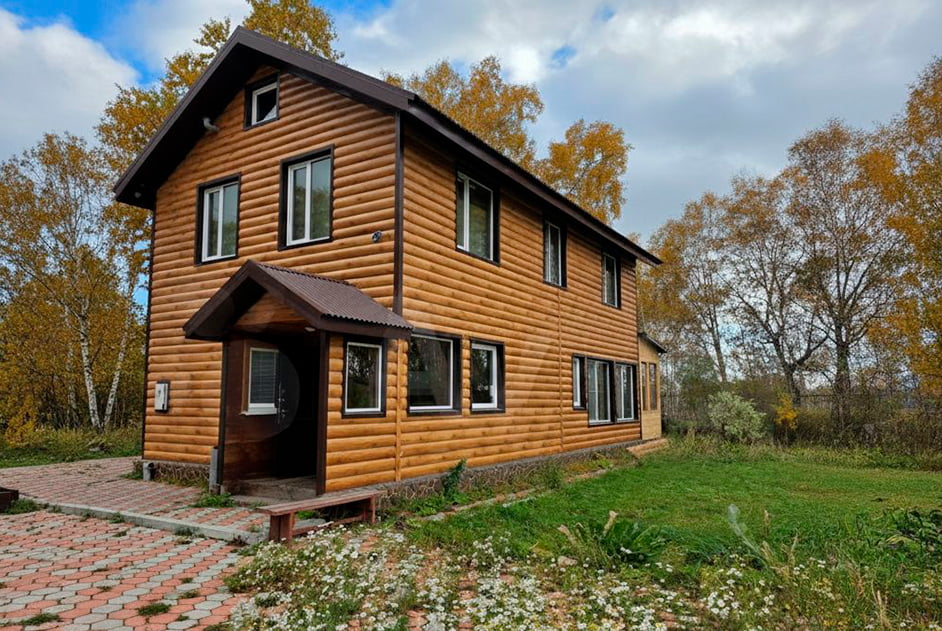
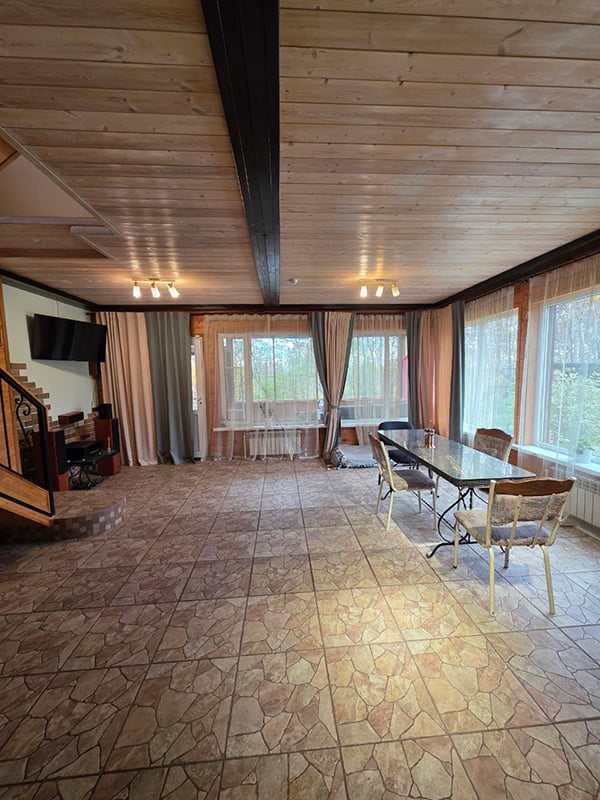
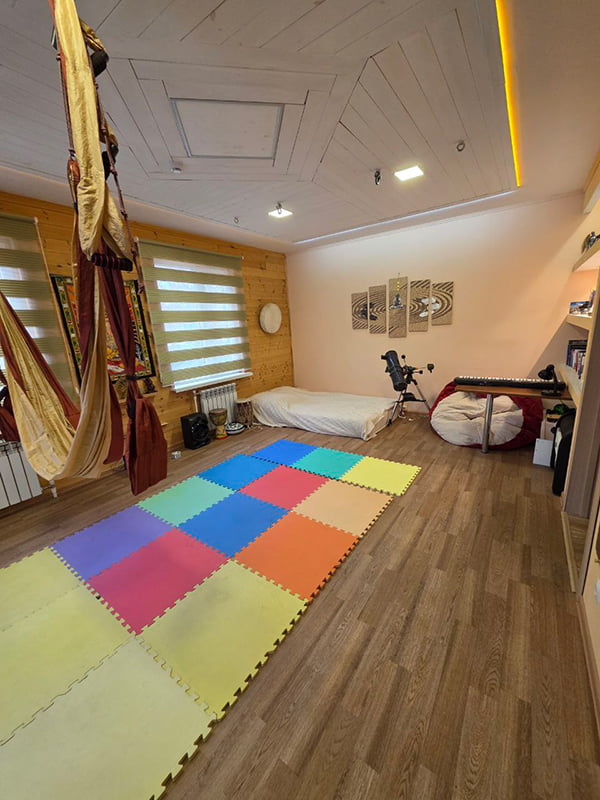
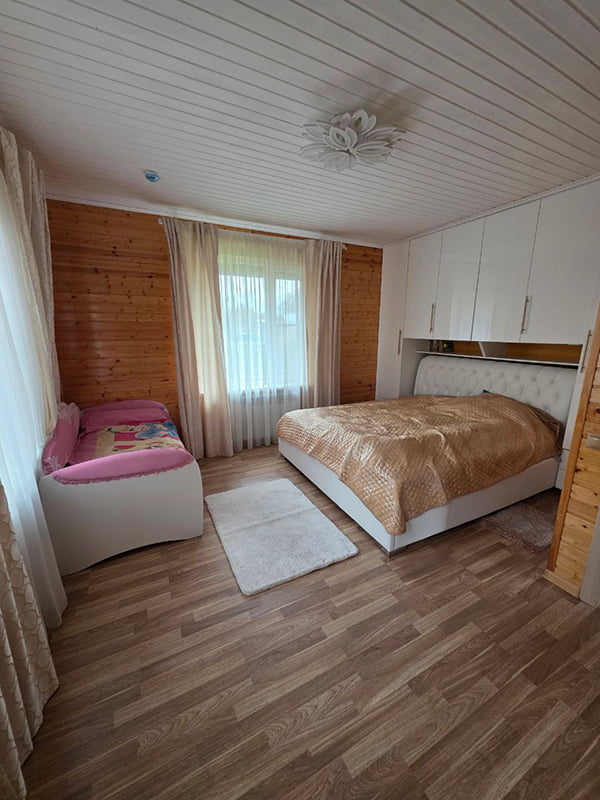
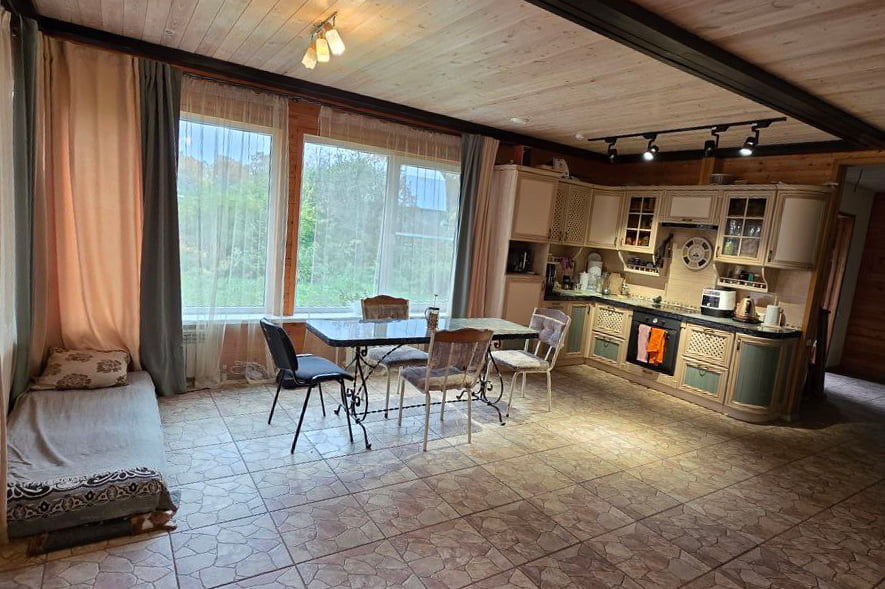
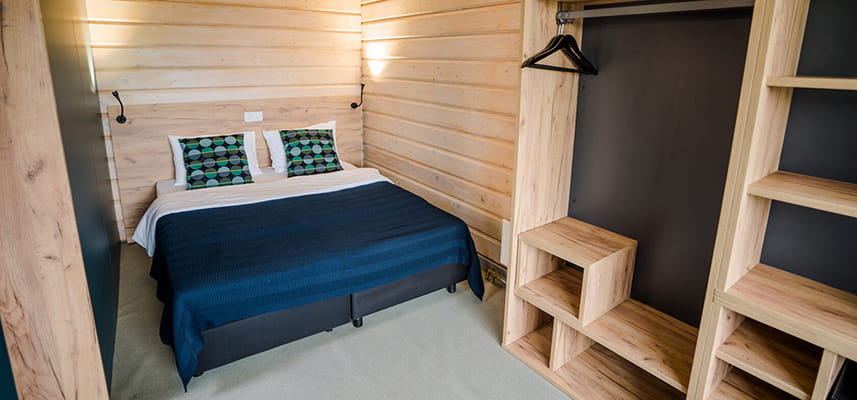
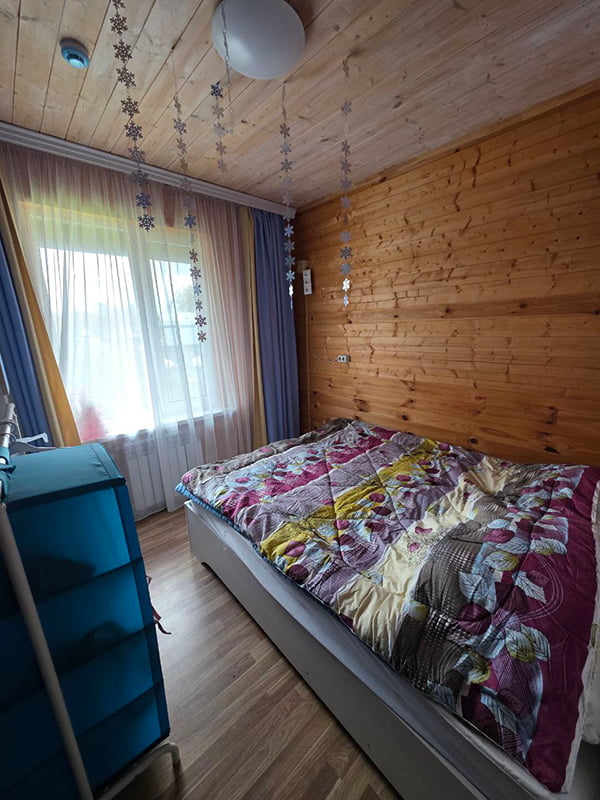
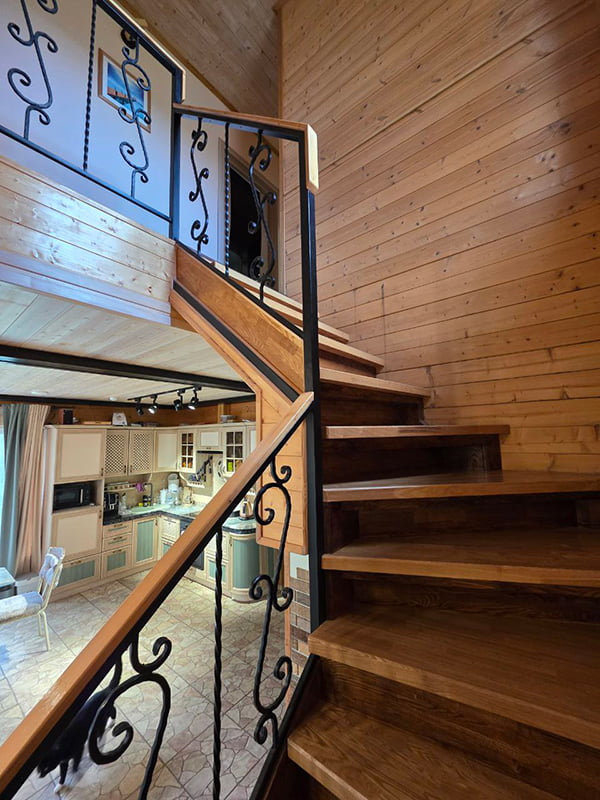
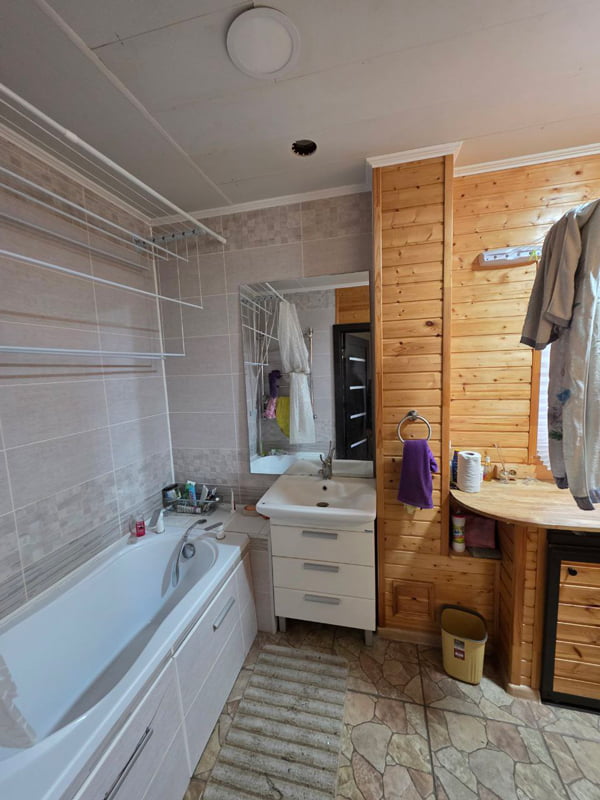
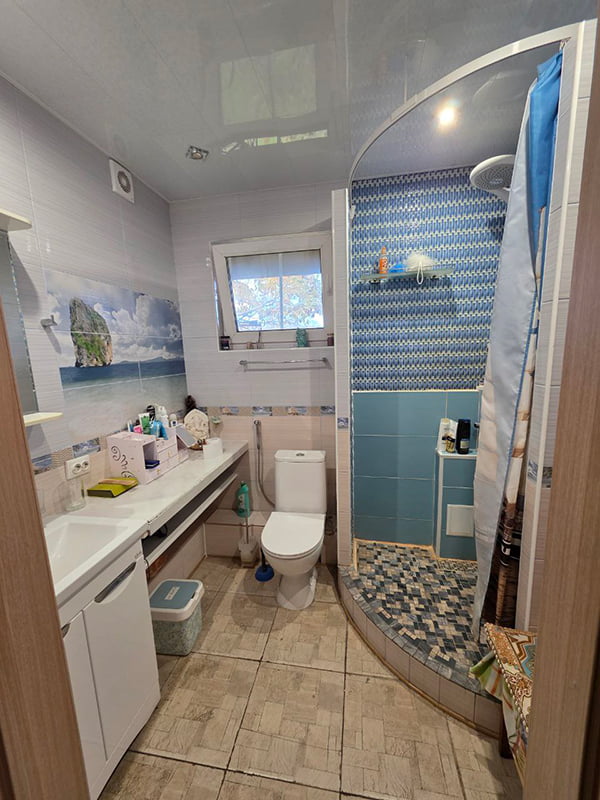
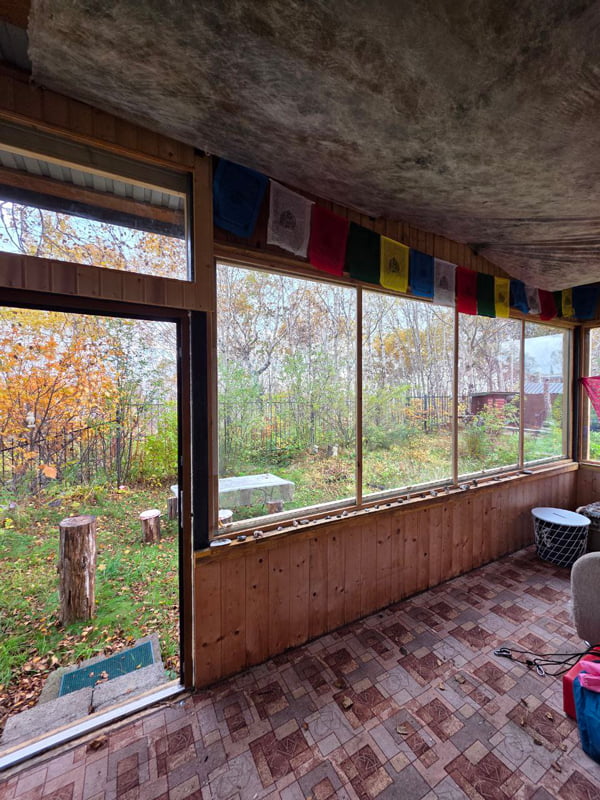
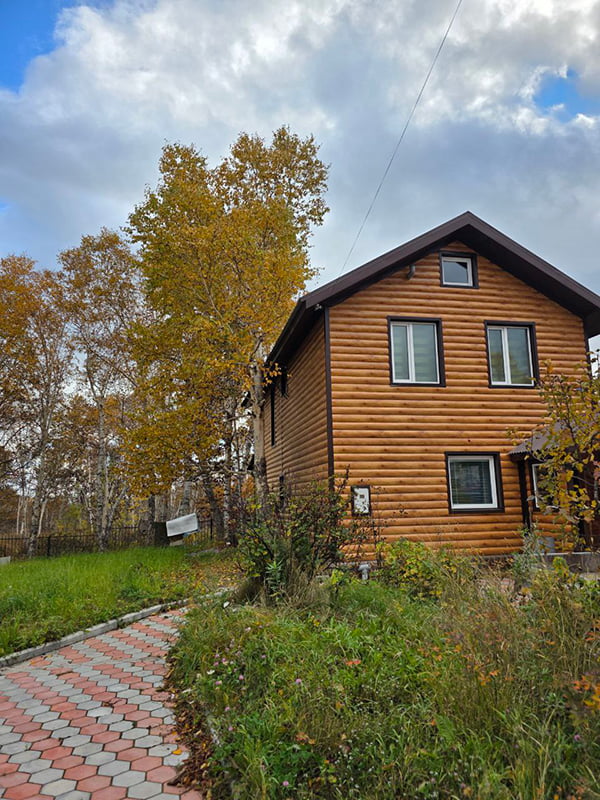
A guesthouse for yoga tours in a very quiet location. The house has 3 rooms for 6–7 people: two bedrooms with double beds and one room with three single beds. Extra camp beds can be added if needed.
A spacious practice hall, a plot with a garden, a small banya (sauna), a fire pit, and cozy lounge areas.
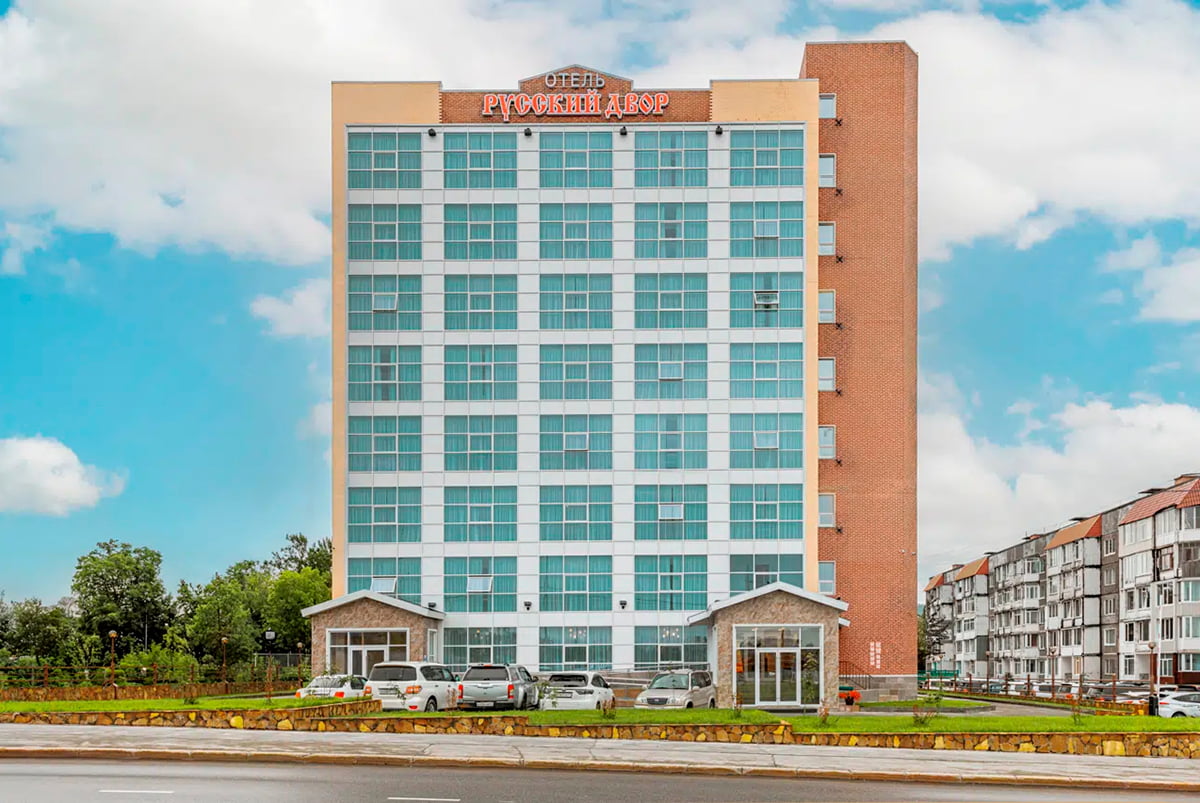
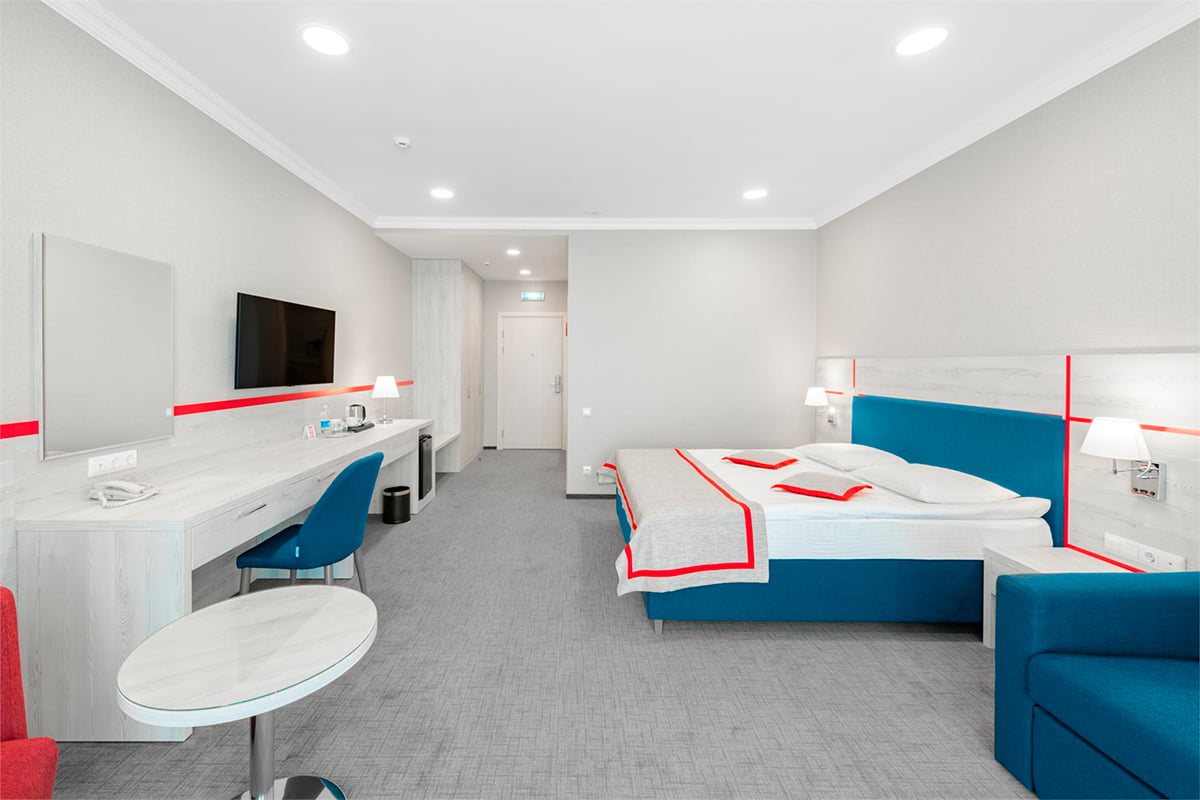
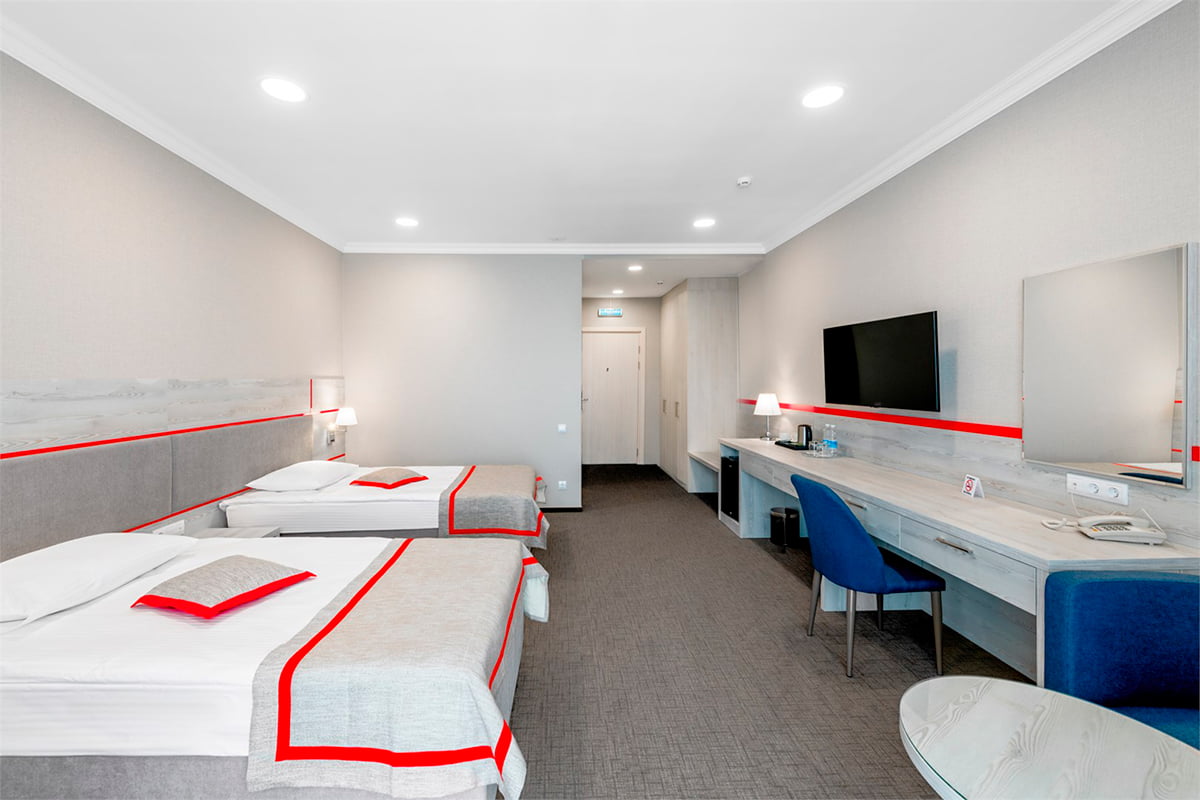
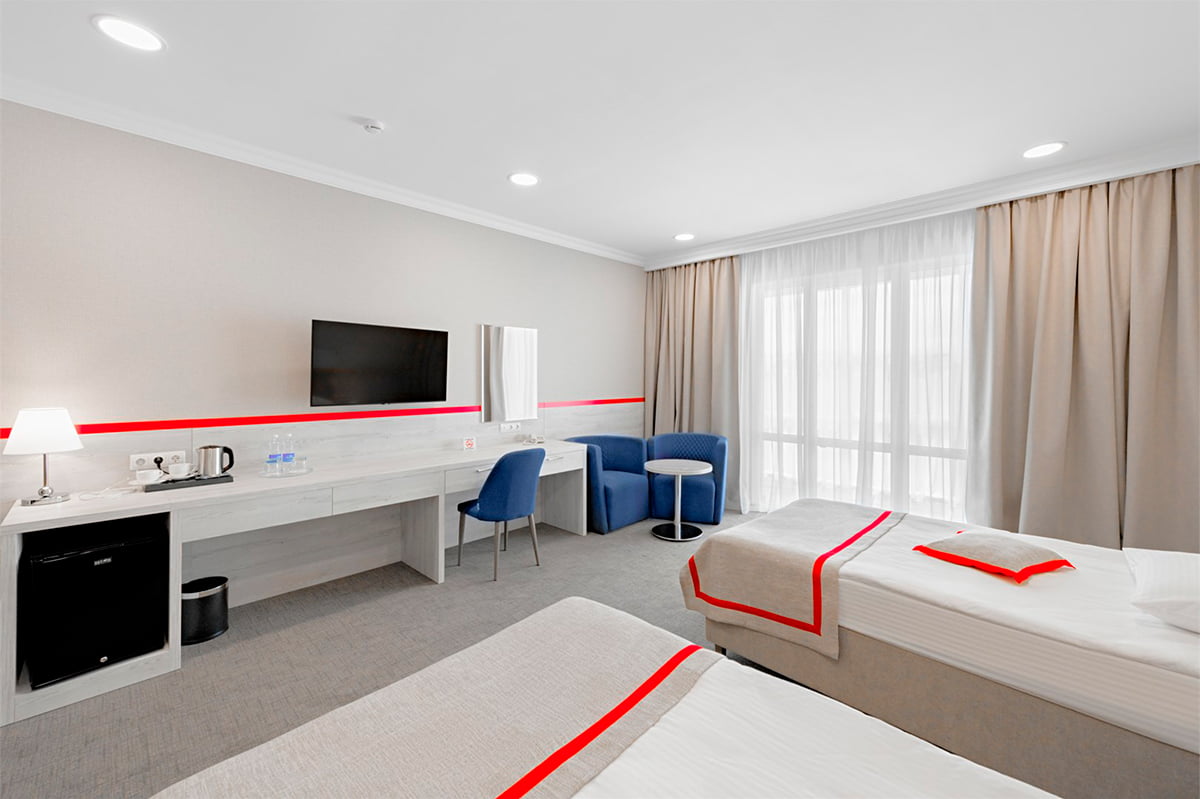
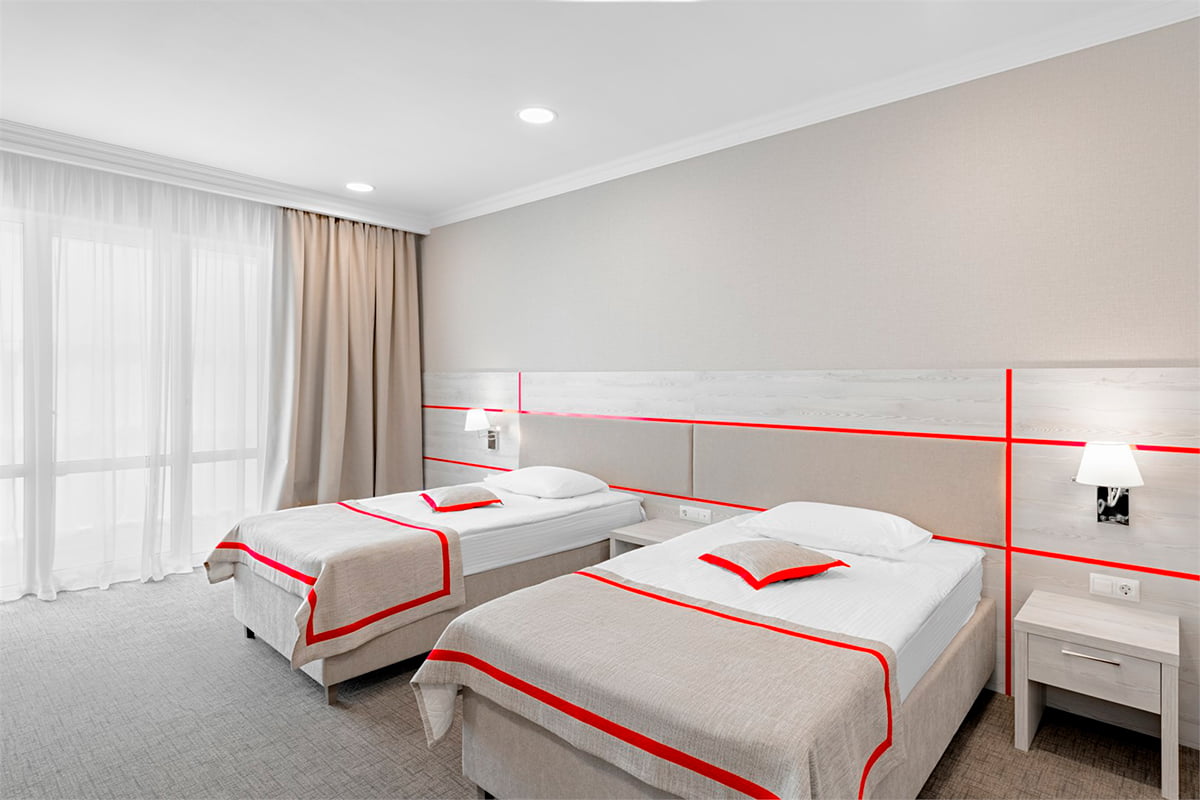
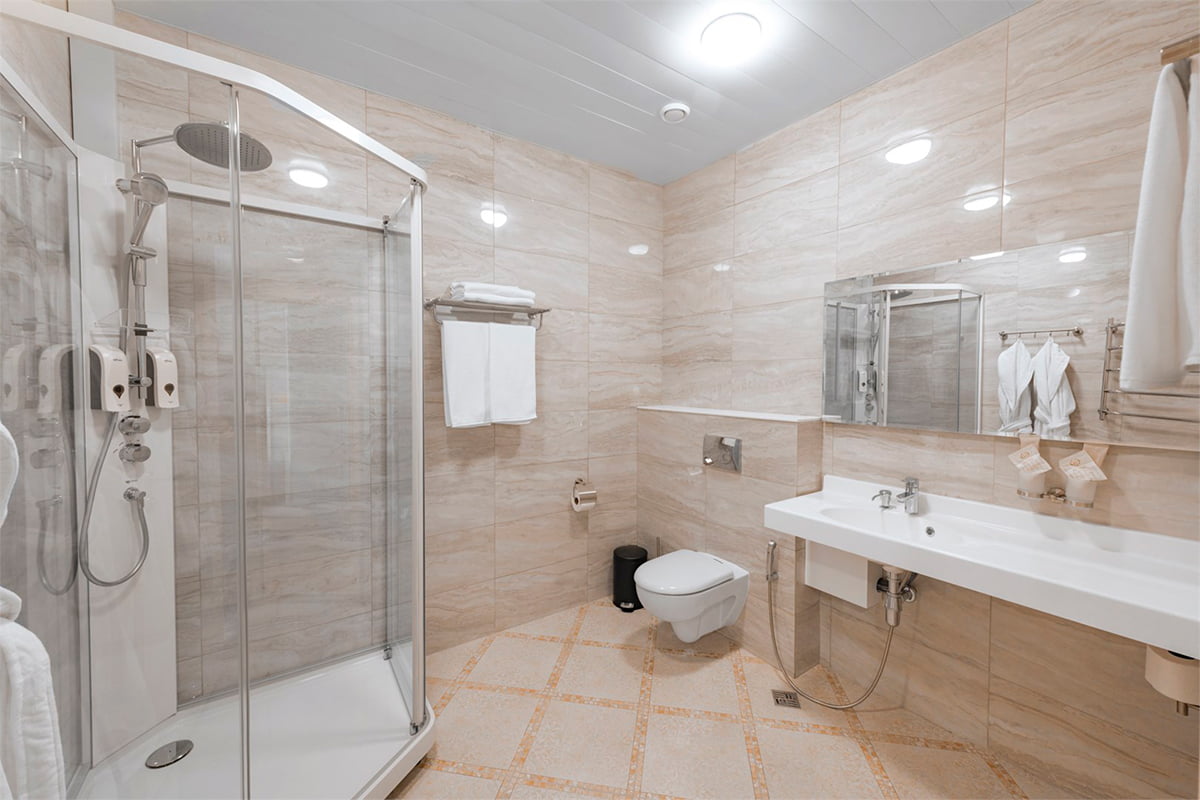
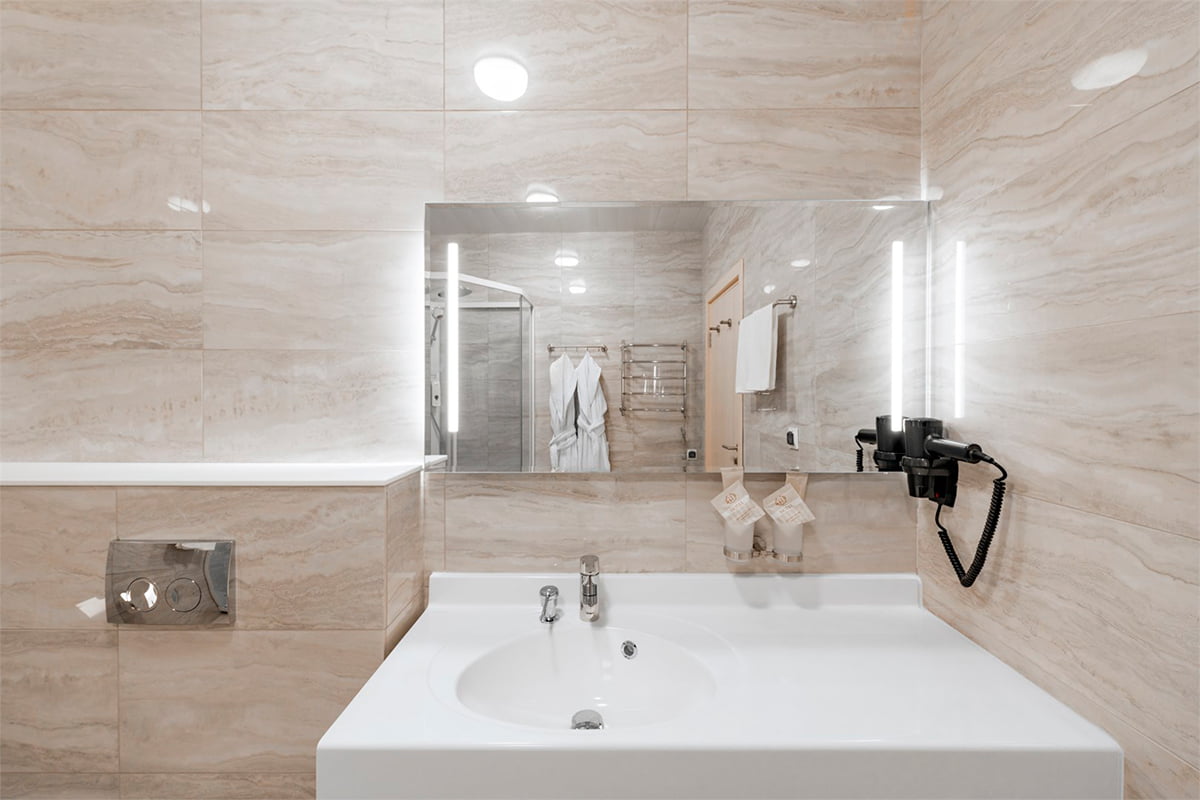
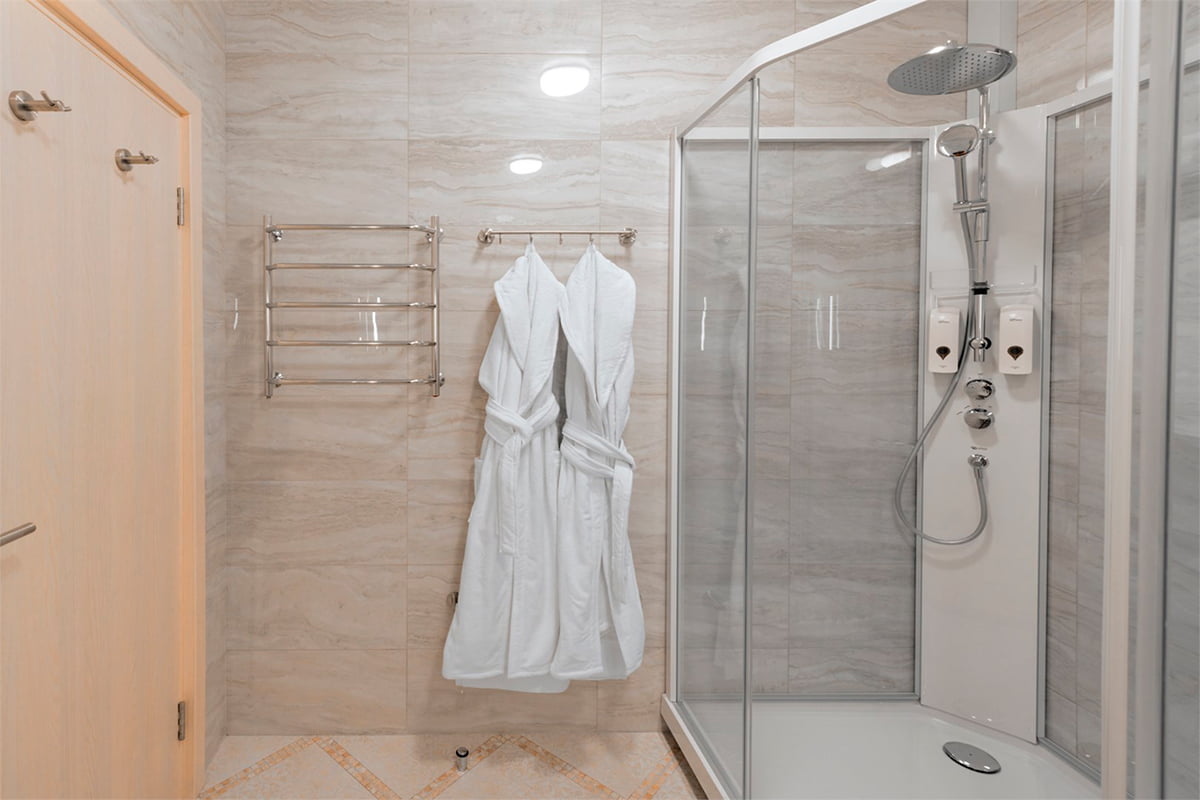
“Russky Dvor” is a new, cozy hotel in one of the most convenient districts of Petropavlovsk‑Kamchatsky. The windows offer views of the volcanoes and Avacha Bay: in the morning you can step out onto the balcony with a cup of coffee and enjoy a panoramic view of the city.
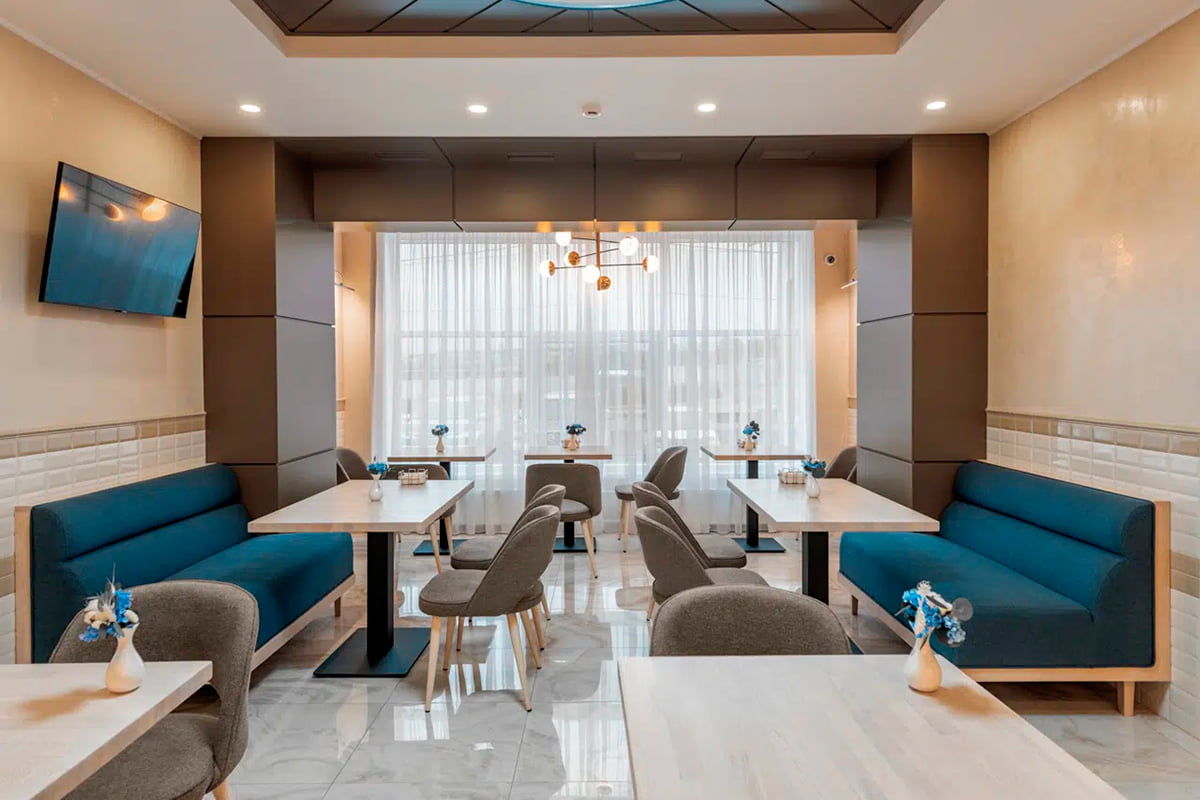
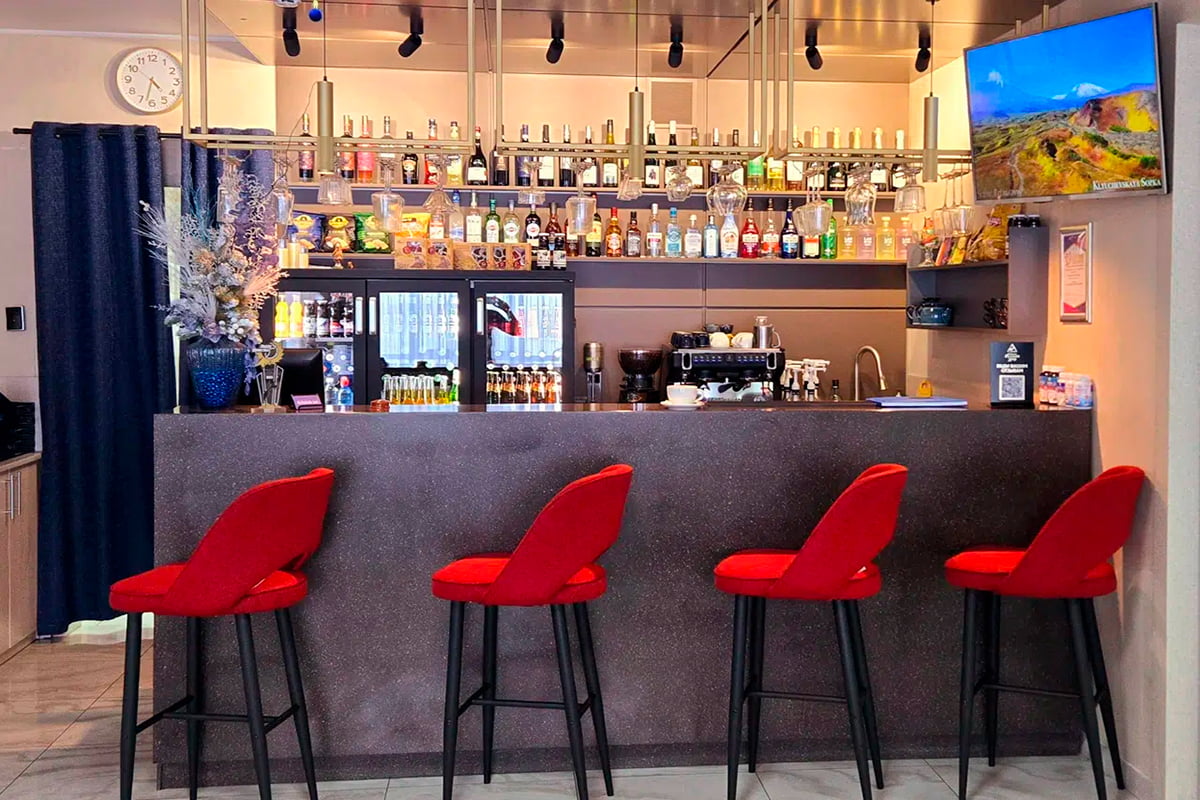
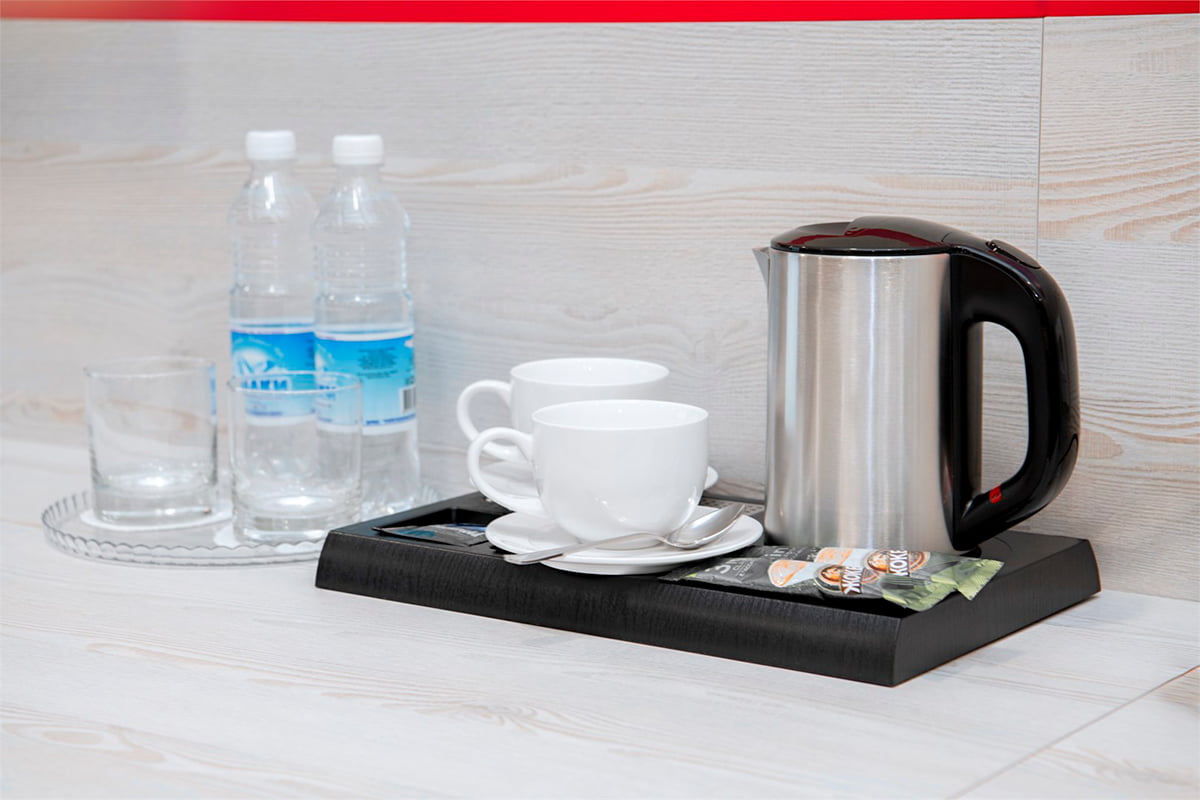
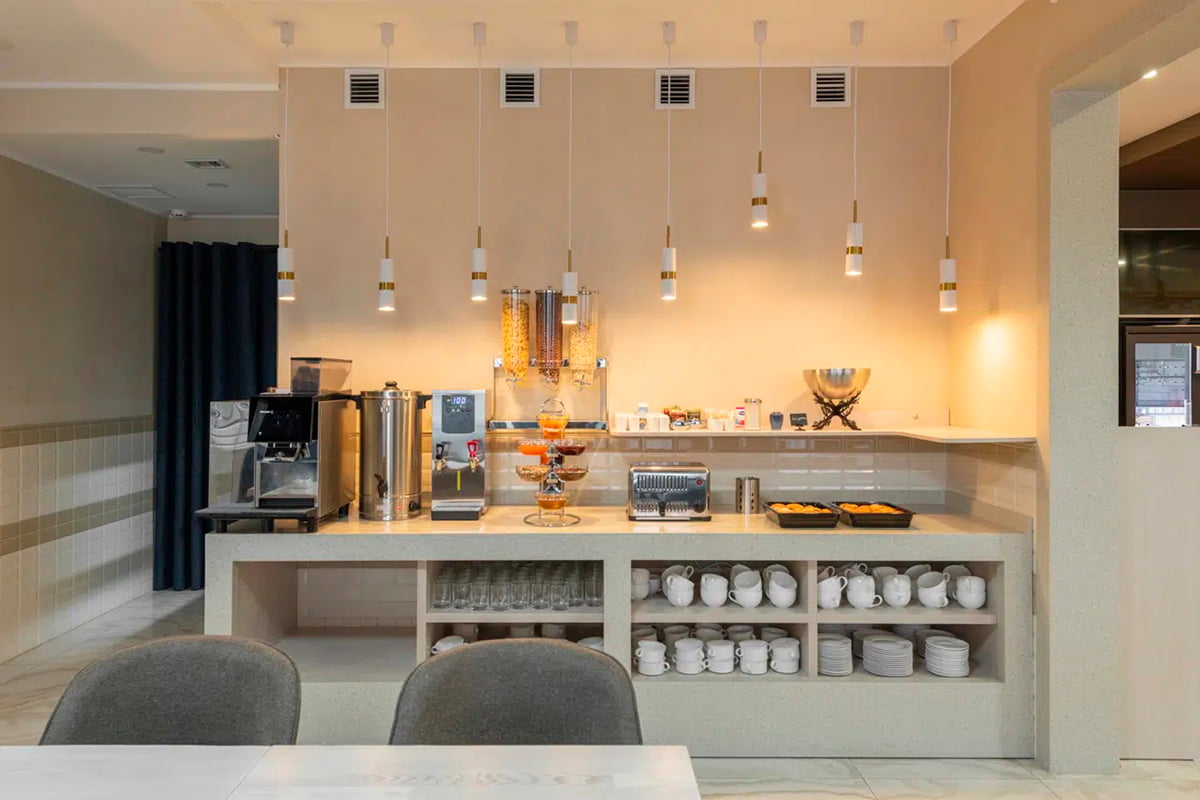
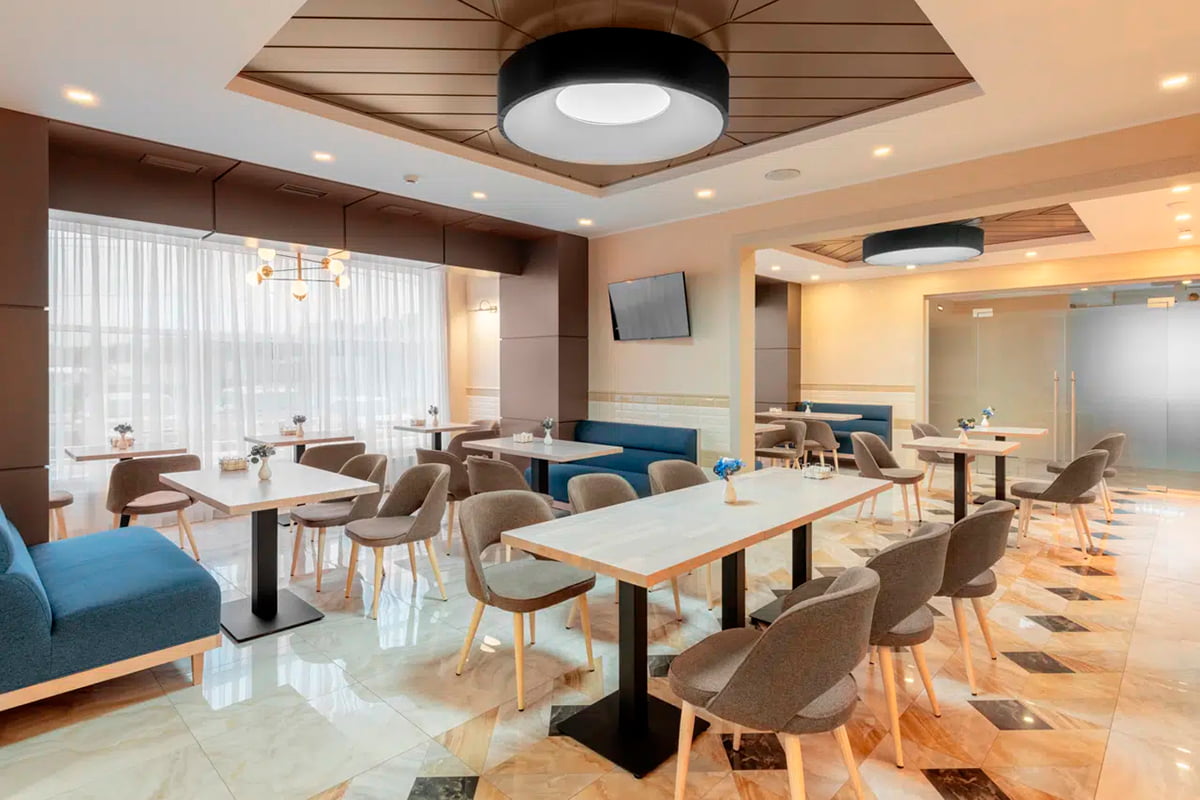
The rooms are spacious and modern, with everything you need to relax after your flight. A buffet breakfast is served in the hotel restaurant. When hotel occupancy is below 20%, a continental breakfast is served.
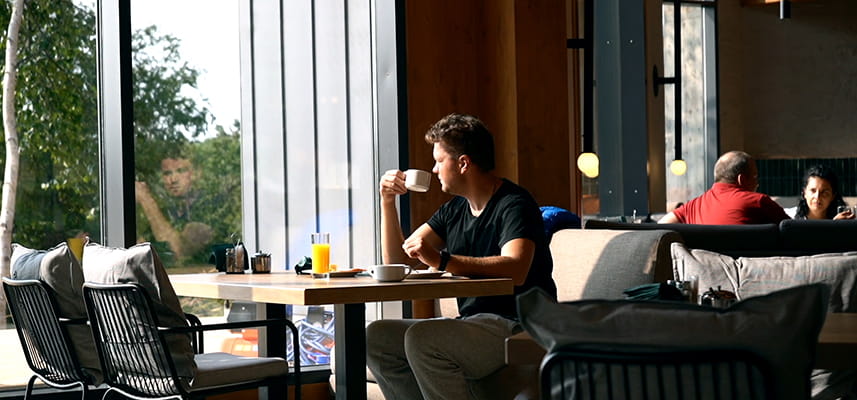
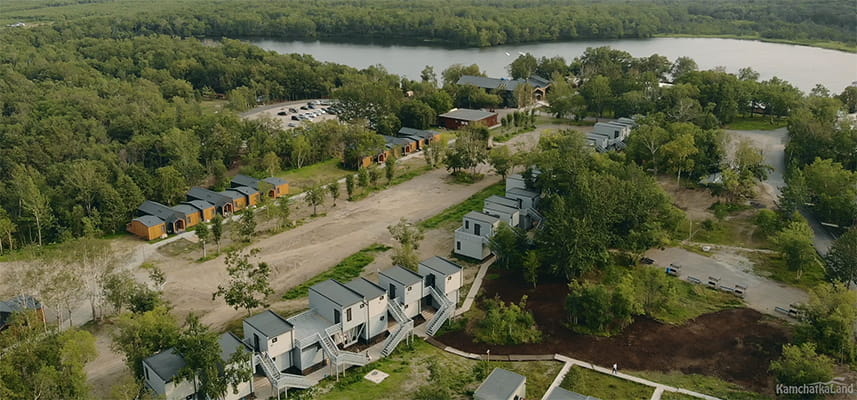
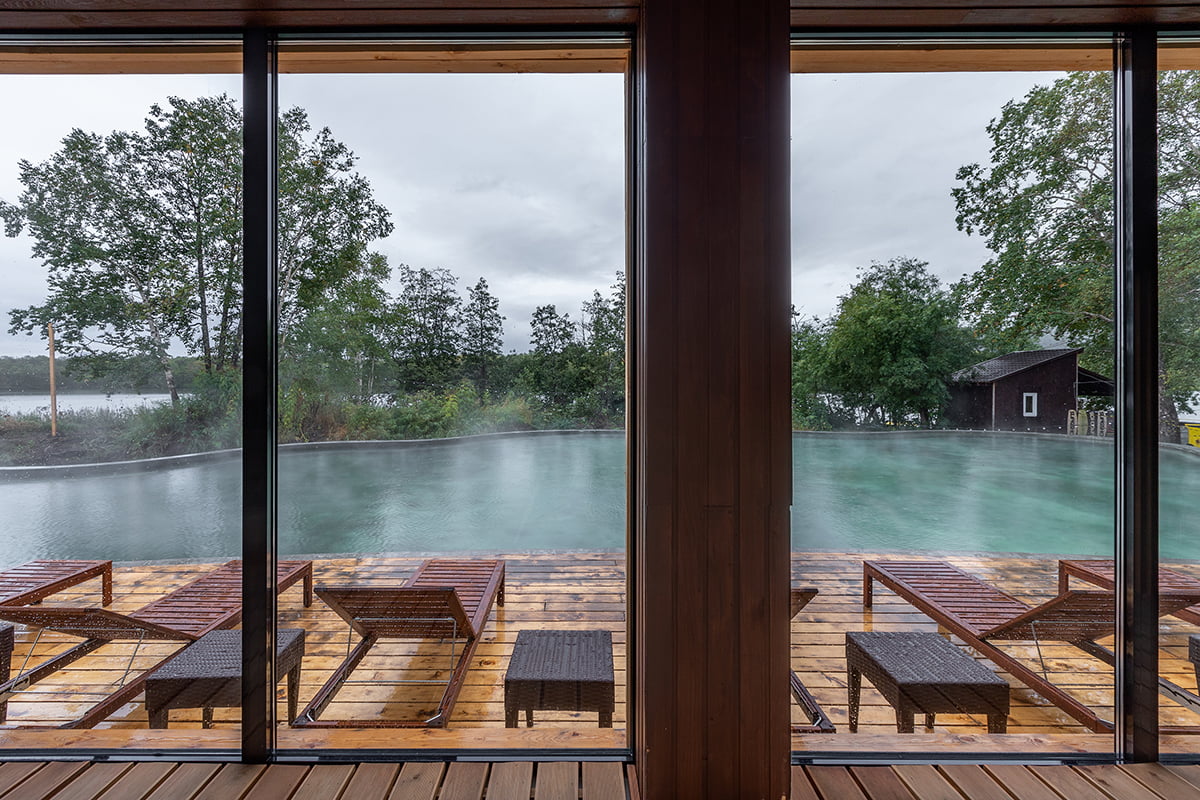
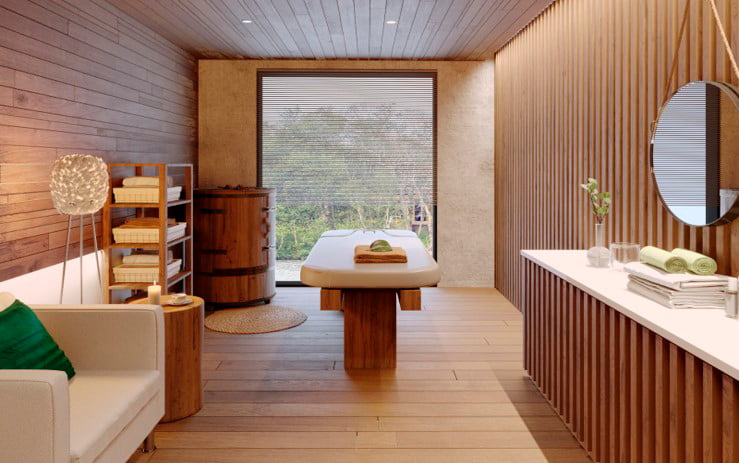
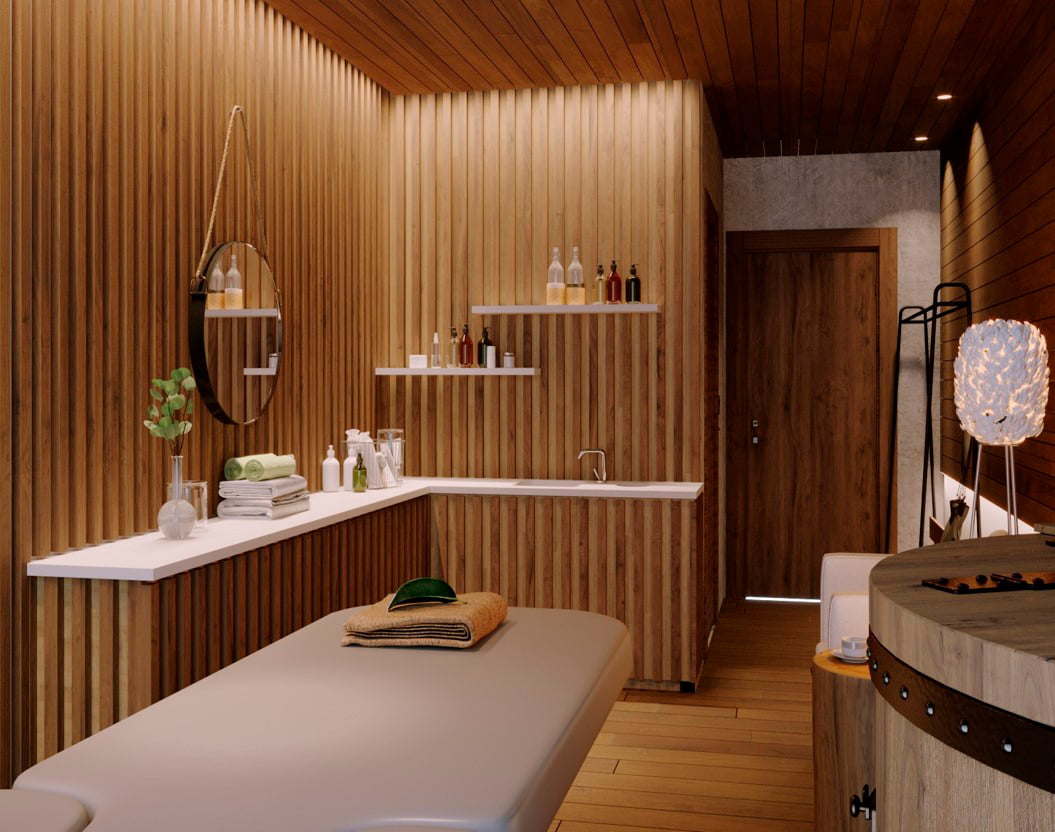
Spa Hotel Laguna is located in the ecologically clean resort zone Paratunka surrounded by greenery. The territory of the complex is one of the largest in Kamchatka, there is Mikizha Lake nearby and a view of volcanoes on the horizon.
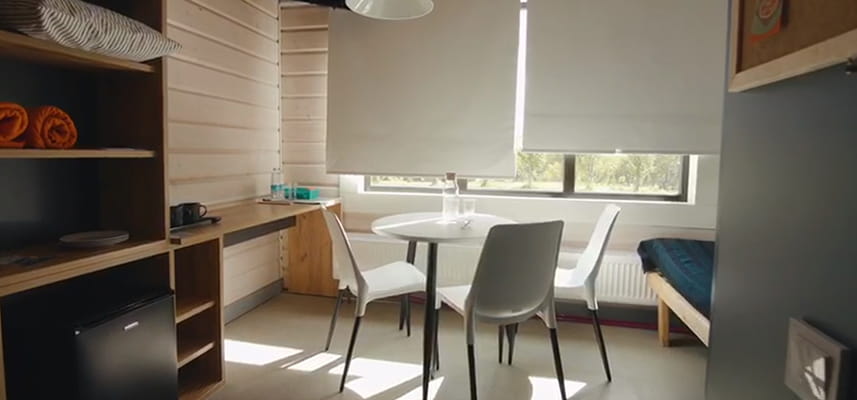
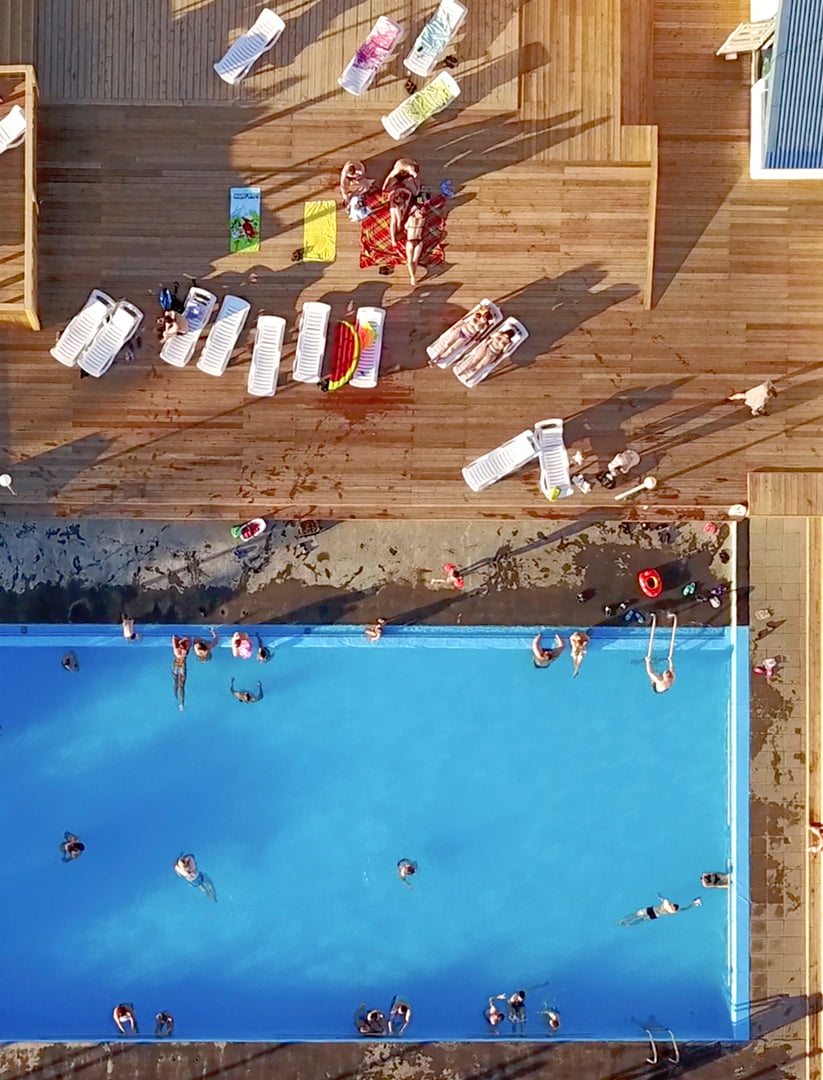
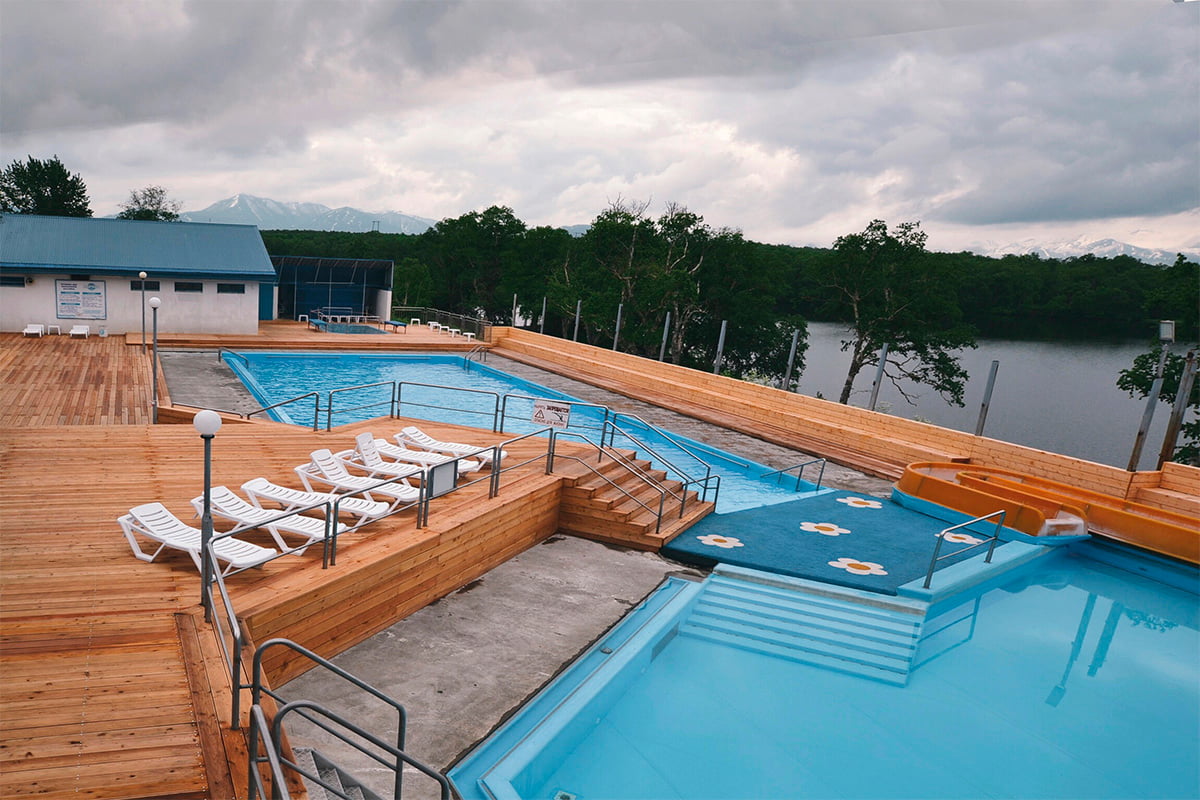
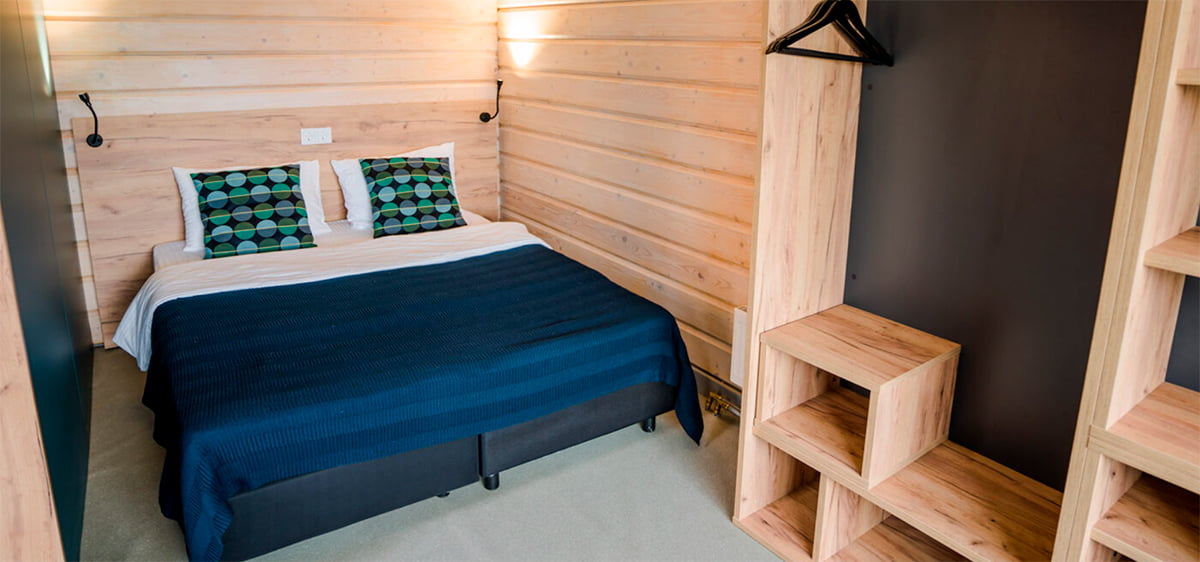
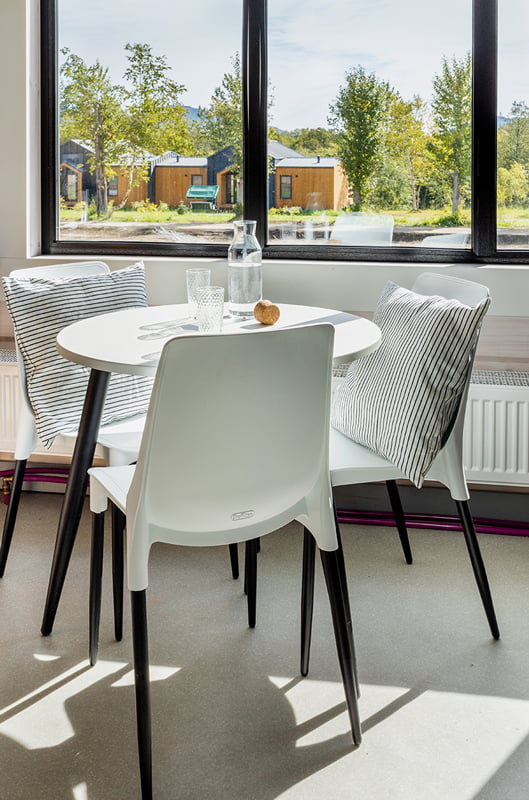
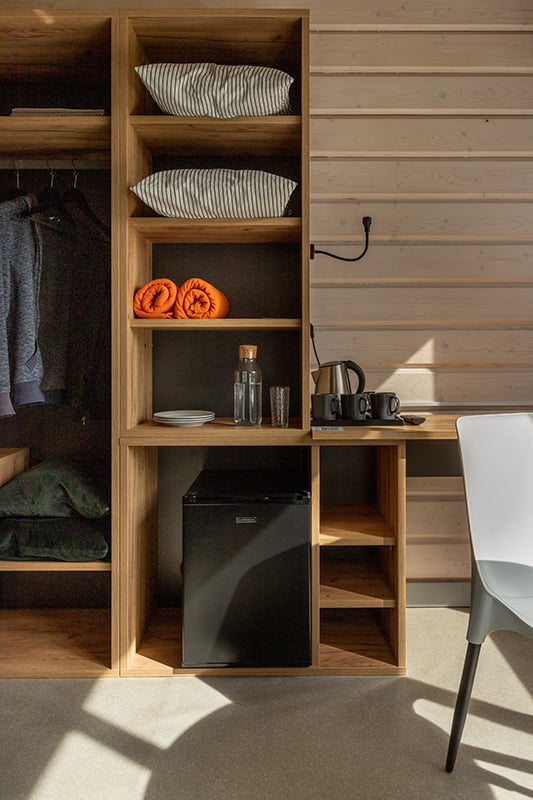
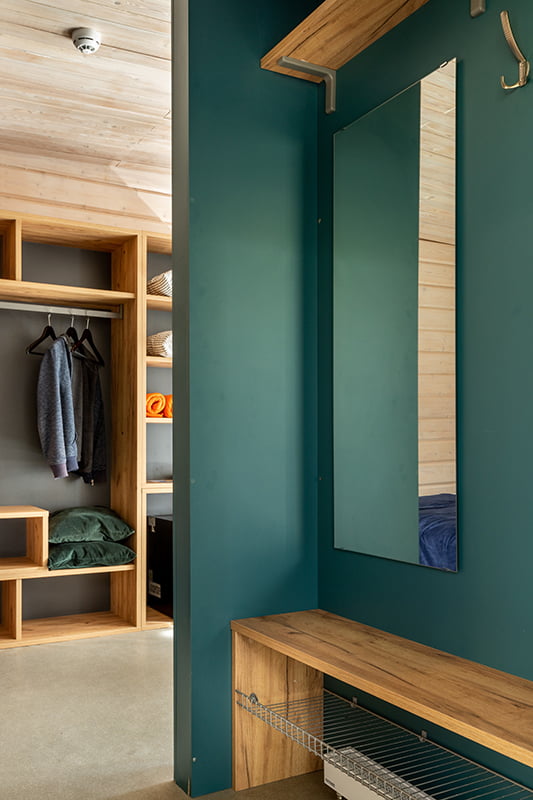
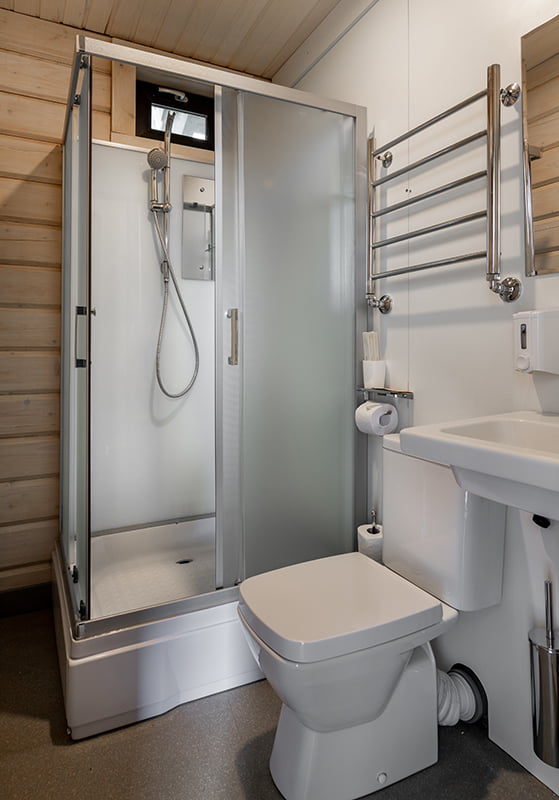
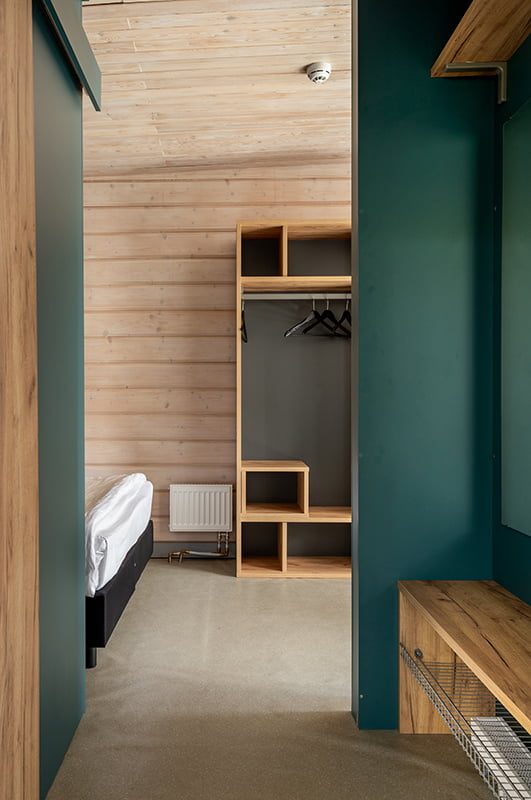
Accommodation is double in Standard modular lodges, 21 metres square. Each has a shower, a toilet room and a dining area. The base has an outdoor swimming pool with hot water, a good restaurant, a children's zone, a spa area.
We offer different pricing options for yoga tours in Kamchatka so that everyone can choose the optimal format of vacation depending on their preferences and budget.
Below you can see the program prices for a group of 10 people
accessible, practical, cozy
175 400 rublesprofitable, well thought‑out, convenient
231 400 rubleseasy, effective, comfortable
303 400 rubles
Your studio’s retreat in Kamchatka
A branded tour is a ready‑made Kamchatka itinerary, fully organized by our team but designed under your studio’s brand. Your logo, your lead teacher, your style of practice. For your clients, this is not “someone else’s tour” but your studio’s official yoga retreat in Kamchatka.
Your brand in the tour
The tour is officially positioned as a retreat led by a teacher from your studio. We handle the logistics; you focus on the practice and communication with the group.
Every 10th participant (the tour leader) travels for free, and you as the organizer receive a 10% commission on the total tour price.
On the tour poster, tour presentation, and participant information materials

In announcements and email campaigns, the tour is presented as your signature product; we remain “behind the scenes” as the technical organizer (as agreed).

11
22
33
44
55
Our company takes care of the entire organization of the yoga tour — from choosing the location and transfers to accommodation and daily schedules. We handle all practical arrangements and on‑site coordination in advance so that you can simply come, relax, focus on your practice, and not worry about logistics.


Choose your option

Evgeny is a person with an unusual story. He spent more than two years living in the Himalayas, studying the local culture and yogic practices.
In total, he has been practicing yoga for 15 years and, in particular, teaches people in Kamchatka to develop not only physically but also to find their inner strength and energy.
51 51
15 15
2 2
10 10

You are traveling with your own group and your own teacher, so we do not impose a strict format. Before the trip, we discuss in which style classes are usually held, what experience the group has, and what level of intensity you want. Based on this, we create the daily schedule and route so that the practices fit logically into the day and do not conflict in time or intensity with excursions and walks.
We discuss the meals in advance at the program planning stage. Together with your tour leader and participants, we collect information about your preferences: gluten-free diet, lactose-free, vegetarianism, allergies, etc. Then we tailor the menu format and dining venues to these requests, taking into account the overall trip budget and the level of service that is comfortable for you..
We offer several accommodation options for groups in different price segments. If you would like something different or special, it is possible to adjust and recalculate the cost of the program.
We initially design the program to balance practice sessions and excursions without overloading you. The excursions are intended for an average person with a normal level of activity: these are walks and moderate hikes with rest breaks and without “endurance marathons.” We take into account that you already have physical activity on the mat, so the routes are chosen in such a way that your body gets “pleasantly” tired rather than exhausted.
There are regular direct flights to the peninsula from Moscow operated by Aeroflot. There is also the S7 airline, which offers direct flights from other cities. Unfortunately, not all cities have direct air connections, so sometimes transfers are necessary. You can find the best option using the service aviasales.com.
When booking your tickets, you should select Petropavlovsk-Kamchatsky as your destination city, although you will actually arrive in the neighboring town of Yelizovo. There is nothing to worry about: we will meet your group at any time and also provide return transfer on the last day.
It’s better to have a small amount of cash with you. Bank cards are not accepted everywhere, especially in small cafés, for souvenirs, or local products.
We are a local tour operator, so there are several advantages to working directly with us:
If you haven`t found a suitable tour in the general catalog, please send us your preferences and parameters for your future trip— dates, number of people. Our manager will be sure to make you a good offer.
Vera

To book a tour or get advice about travelling to Kamchatka, write to us through this form. Manager Anastasia will reply to your enquiry shortly.
Анастасия

To book a tour or get advice about traveling to Kamchatka, write us through this form. Our manager Anastasia will reply to your request shortly.
Anastasia
To book a tour or get advice about traveling to Kamchatka, write us through this form. Our manager will reply to your request shortly.
Igor

The request was successfully completed, instructions are sent to your email