

«Snow Dogs» kennel and «Ozerki» hot springs

Ivan
Senior guide
This trip brings together two very different experiences in one day. First, you visit “Snow Dogs” — not just a kennel, but a real home for sled dogs and for the Semashkin family, for whom the “Beringia” race is a way of life.
In the second part of the day, you’ll enjoy the silence and warmth of the Ozerki thermal complex. After the frosty air and active time outdoors, it’s especially pleasant to sink into the hot hydrogen‑sulfide pools, watch the steam rising above the water, and feel your muscles relax.
Search for cheap flights
In the morning, between 9:00 and 10:00, the group gathers near the Petropavlovsk Hotel. This is a convenient starting point — easy to reach. After a brief introduction to the participants and an explanation of the day’s program, you board the bus and head to the “Snow Dogs” kennel.
On arrival, you first get acquainted with the culture of the indigenous peoples of Kamchatka. Representatives of local communities talk about how life used to be organized in a harsh climate: what winter dwellings were like, how responsibilities were divided within the family, which items were essential on long journeys. You’ll hear legends about the spirits of the mountains and rivers, about the first dogs that became human companions in these lands, and about how people asked for good luck before setting out into the tundra.
The story is accompanied by music and songs. Guests hear traditional rhythms and learn which songs were performed on holidays and which before a journey or a hunt. Some people are invited to take part: to stand in a circle, repeat simple dance movements, try holding a drum. Those who want to feel the atmosphere more deeply are offered to try on national clothing — warm fur parkas with ornaments, belts, and headdresses. This gives a very visual sense of how people dressed here long before modern down jackets appeared.
After that, the focus shifts to the Semashkin family — the owners of the kennel and experienced mushers with many long‑distance trips and “Beringia” races behind them. One of the family members tells how the kennel was gradually built, how many years they have been working with sled dogs, and what routes they have covered during the races. It’s a live conversation: you can ask how “Beringia” has changed in recent years, how the dogs feel on long stages, and what is the biggest challenge for a musher on the trail.
A tour of the kennel grounds shows how the dogs live outside of racing season. You see the pens, exercise areas, and gear. They explain how teams are formed: why one dog runs in the lead while another works better in the middle or at the back, and how pairs are matched by character and pace. The story also touches on everyday details: what the dogs are fed in different seasons, how they are helped to recover after hard training, and how their health is monitored.
Then comes the practical part that many look forward to — dog sledding. In front of the guests, the musher harnesses the dogs, commenting in detail on each step: how the harness is put on, how the lines are attached, and why it is important to check every link. Before the start, participants are briefed on safety and the basic principles of handling the sled.
The ride takes place on a prepared trail near the kennel. Guests go one by one: each person has their own time in the sled, without other passengers. This gives a completely different feeling — you are not just sitting, you feel like a participant in the action. Under the musher’s control and guidance, you are allowed to try steering: holding on to the sled’s handlebar, shifting your weight in turns, responding to bumps, and feeling how the team reacts to commands. This format is especially memorable — many later say they felt like a “real musher” for the first time, even if only over a short distance.
After the active part, lunch awaits the participants. It usually takes place in a warm room or a heated cabin/chum next to the kennel. Simple, hearty food is served, which feels especially good after the cold: hot soup or fish soup, a main course, fresh bread, herbal tea, jam or pastries (the exact menu may vary, but the idea is home‑style, warming food). Lunch is a time to rest a little, warm up, and in a more relaxed setting ask remaining questions about life in Kamchatka and the “behind‑the‑scenes” of preparing for “Beringia”.


After finishing the program at the kennel and having lunch, the group gets back on the bus and heads to the Ozerki thermal complex. The drive takes some time — just enough to rest after the sledding, look through your photos, and share impressions with one another. Upon arrival, the guide helps with the logistics: shows where the changing rooms and showers are, explains how best to alternate hot water with breaks in the fresh air, and reminds everyone about the rules for visiting the hot springs.
The main feature of Ozerki is the very hot hydrogen‑sulfide pools under the open sky. On a cold day the steam drifting over the water and rising into the frosty air looks especially impressive. At first, the water may feel scalding, but after a few minutes your body adjusts and a pleasant sense of warmth sets in, gradually “unwinding” your muscles after the active morning. Around you is a snowy landscape, with hills and trees in view, while you sit in the hot water feeling the sharp contrast between your face cooled by the air and your body immersed in the spring.
Many people alternate soaking in the pools with short breaks out in the snow. You can simply stand in the fresh air, or even plunge into a cleared snowbank — it’s invigorating and creates very vivid sensations. For the bravest, there is another option: nearby lies a spring‑fed lake, and some visitors dare to wade into its cold water up to their waist or even submerge themselves completely. This is more of a cold‑exposure element, so everyone decides for themselves based on their health and how they feel, but the contrast between the hot thermal water and the icy lake is something many later remember as one of the most intense moments of the day.
At the end of the visit, the group boards the bus and returns to the Petropavlovsk Hotel.

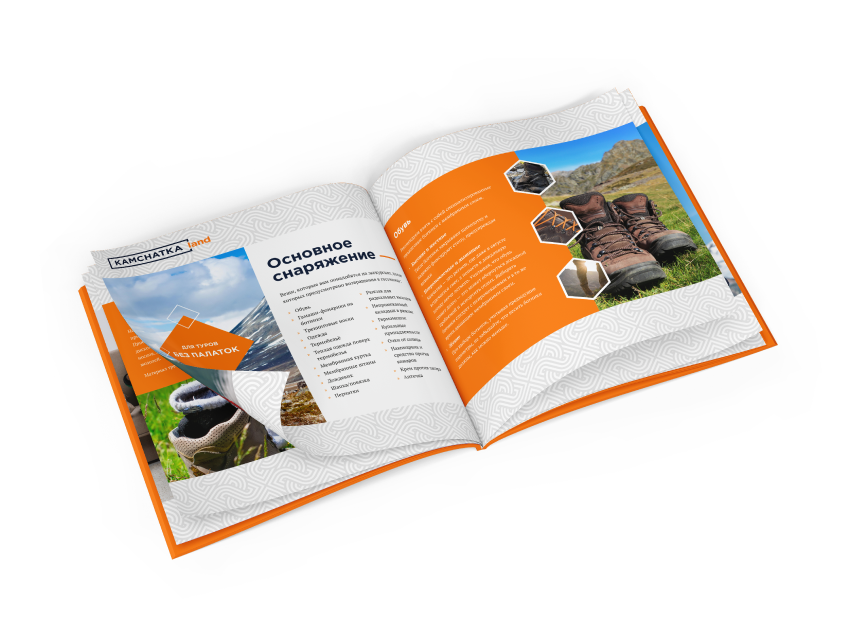
Start preparing for your trip
To make your journey comfortable we have developed a unique equipment guide for you.
Equipment guide
GetIf you haven`t found a suitable tour in the general catalog, please send us your preferences and parameters for your future trip— dates, number of people. Our manager will be sure to make you a good offer.
Denis
To book a tour or get advice about travelling to Kamchatka, write to us through this form. Manager Anastasia will reply to your enquiry shortly.
Анастасия

To book a tour or get advice about traveling to Kamchatka, write us through this form. Our manager Anastasia will reply to your request shortly.
Anastasia
To book a tour or get advice about traveling to Kamchatka, write us through this form. Our manager will reply to your request shortly.
Igor

The request was successfully completed, instructions are sent to your email